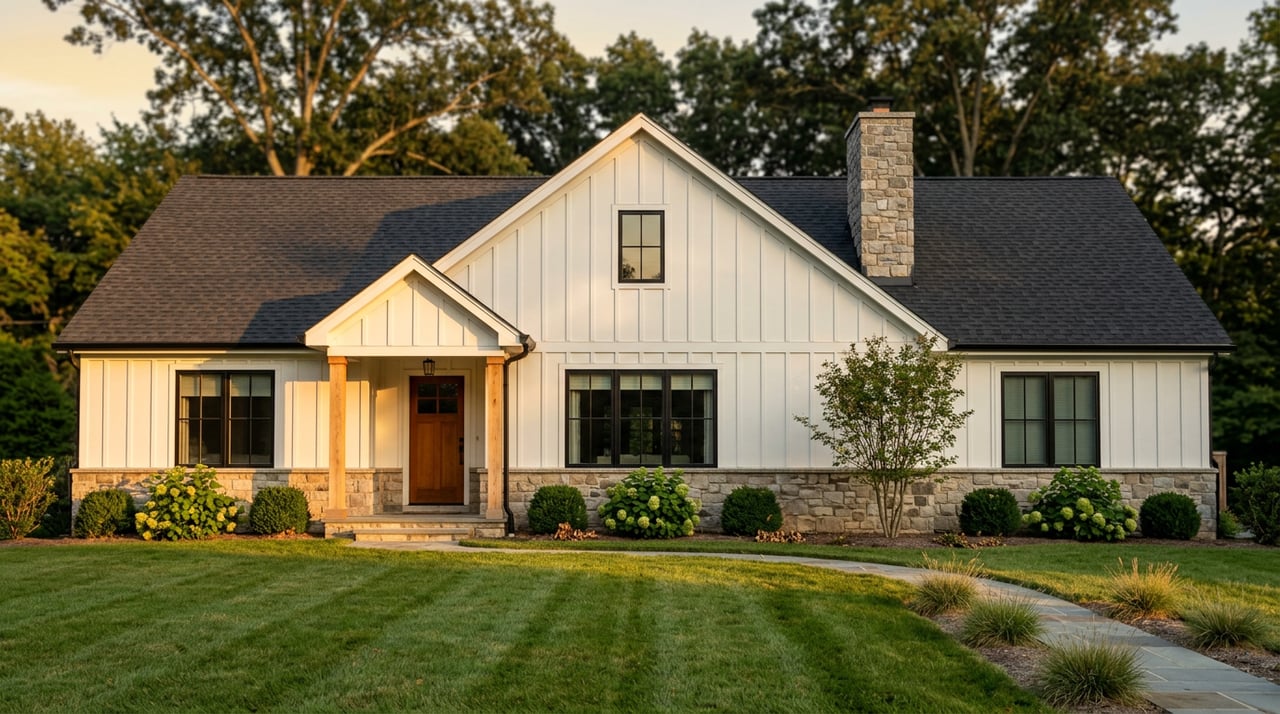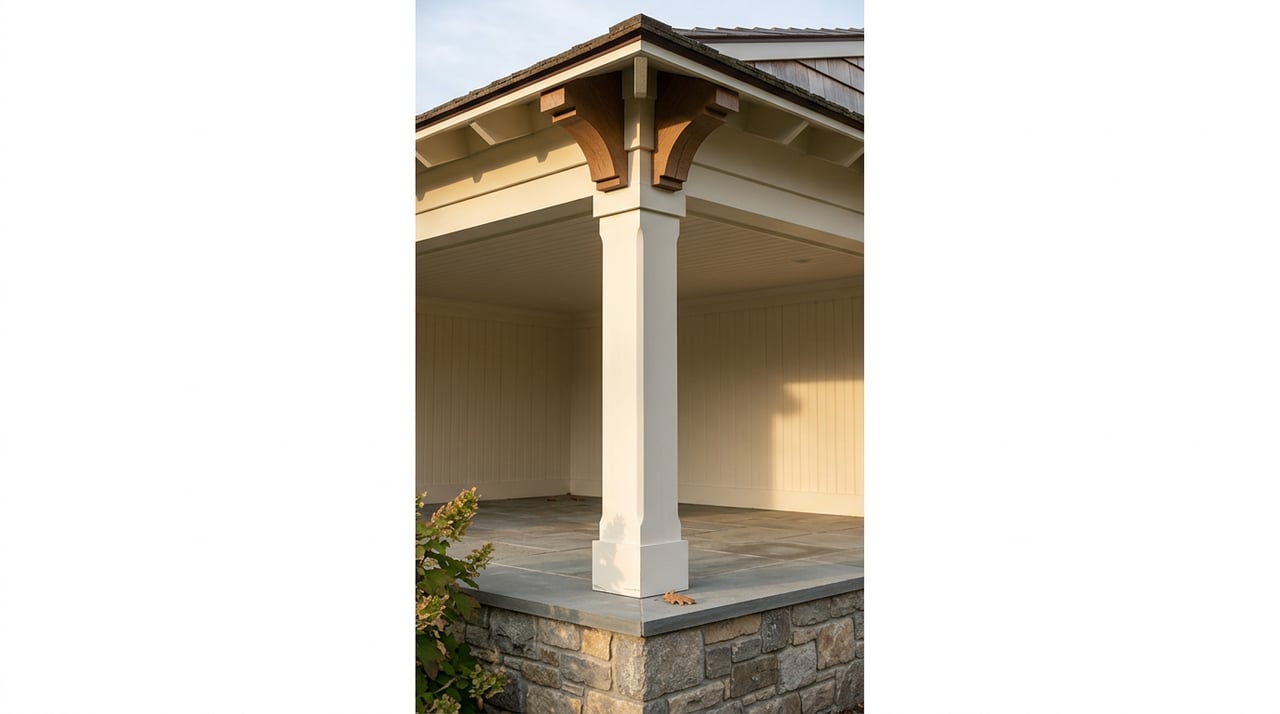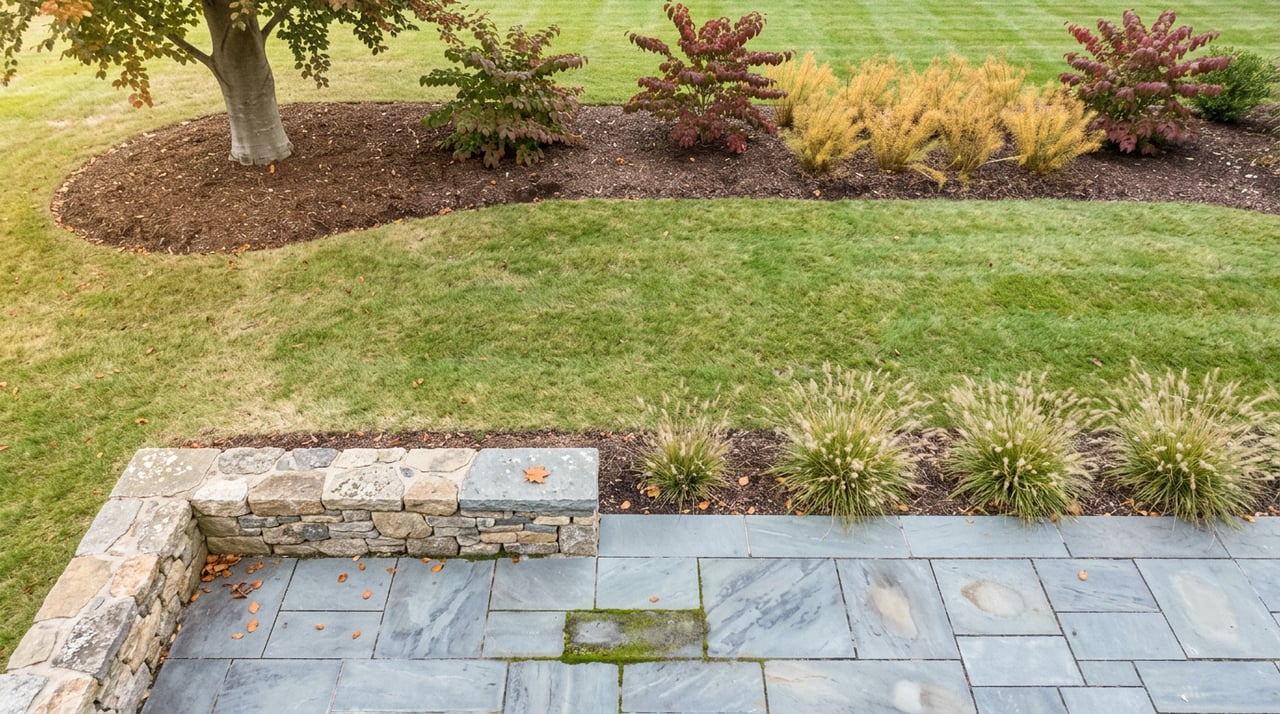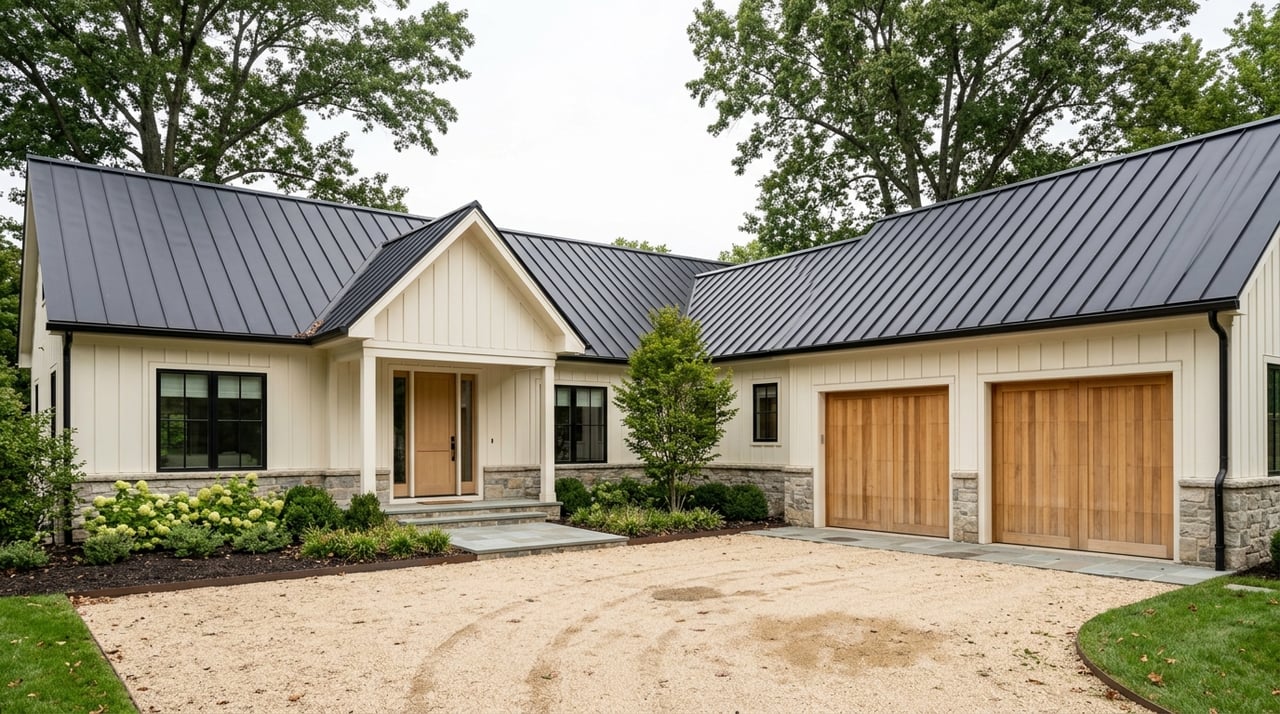
Dreaming about a country estate in Solebury? It is easy to fall for the long driveways, open views, and sense of privacy. But in this part of Bucks County, buying an estate means looking beyond the house itself and understanding how land, preservation rules, utilities, and ongoing costs can shape your ownership experience. If you are considering a move here, this guide will help you ask smarter questions before you write an offer. Let’s dive in.
Why Solebury Feels Different
Solebury has a distinct identity within Bucks County, and that shows up in both its landscape and its housing market. The township describes itself as a mix of small farms, estate lots, comfortable homes, open space, and historic resources.
That character is not accidental. Solebury’s Land Preservation Committee says nearly 40% of the township’s total land area is protected in some form. In the township’s 2024 resident survey, 77% of respondents said scenic beauty and open space were a top reason for living there, and 73% ranked retaining rural character as an important future priority.
For you as a buyer, that means a larger property in Solebury is about more than square footage and acreage. You are buying into a place that has intentionally limited future development, which can help preserve the setting that made you interested in the first place.
Estate Buying Requires More Diligence
A country estate can offer privacy, land, and a slower pace that many suburban properties simply cannot match. At the same time, the due diligence is often more complex.
In Solebury, the key questions usually go beyond finishes, floor plans, and curb appeal. You also need to understand how the property handles water and sewage, whether any land restrictions apply, what zoning allows, and what your long-term carrying costs may look like.
That is why local knowledge matters so much here. Two homes with similar acreage and similar asking prices can come with very different ownership realities.
Water And Septic Matter First
One of the biggest practical differences in Solebury is utilities. Most residents rely on well water, and only a small portion of the township along Route 202 is connected to public sewer.
That means you should not assume an estate property has public water or sewer service. In many cases, well and septic systems are simply part of country living here, and they deserve careful review before you move forward.
Solebury’s Sewage Management Program requires properties with septic systems to be pumped and visually inspected every three years. That makes septic condition, pumping history, and likely replacement expectations important parts of your due diligence.
Questions To Ask About Utilities
- Is the home served by a private well?
- Is the property on septic, or does it connect to public sewer?
- When was the septic system last pumped and visually inspected?
- Are there records showing regular maintenance?
- What do you know about the age and condition of the system?
These details may not be glamorous, but they can affect both your budget and your comfort level as an owner.
Land Restrictions Can Shape Your Plans
If you are buying an estate, you may already be thinking ahead. Maybe you want space for animals, a future addition, a guest structure, or flexibility for long-term use. In Solebury, you should verify those possibilities instead of assuming them.
The township explains that conservation easements typically forbid or substantially limit subdivision and other development. If a parcel is subject to an easement, that can directly affect what you are allowed to do with the land.
Solebury also has historic review in specific areas. The township’s Historical Architectural Review Board reviews proposed construction and renovation in the regulated historic districts of Carversville and Phillips’ Mill, and projects there are reviewed for their effect on historic and architectural integrity.
What To Confirm Before You Buy
- Whether the property is subject to a conservation easement
- Whether the parcel is located in a regulated historic district
- Whether planned renovations or additions would require review
- Whether subdivision is possible or restricted
- Whether accessory uses you care about are permitted
This is where estate buying becomes very property-specific. What works on one parcel may not work on another just down the road.
Zoning Is Parcel Specific
Solebury’s zoning code is not something to gloss over, especially if acreage is a major part of the purchase. The township’s regulations vary by district, and those differences can change how a property fits your goals.
For example, the RA district is meant to preserve residential and agricultural character and permits single-family detached dwellings. It also allows up to two horses or ponies on lots of at least five acres.
By comparison, the RD-C conservation district requires a 100-acre minimum site size and 20-acre minimum lots in conservation areas. That is a major difference, and it shows why you should confirm setbacks, uses, lot requirements, and expansion potential on the specific parcel you are considering.
Why Zoning Review Matters
You may be looking at the land and thinking about possibility. Zoning tells you what that possibility actually is.
If you want room for equestrian use, future improvements, or simply confidence about what cannot be built nearby, parcel-level zoning review is one of the smartest steps you can take early in the process.
Taxes Deserve Early Attention
It is easy to focus on purchase price and overlook carrying costs, especially on a higher-value property. In Solebury, real estate taxes should be part of your early evaluation.
Bucks County states that real estate taxes are based on assessed value and the current millage rate. Solebury lists current millage rates of 25.9102 for the township, 120.5104 for the New Hope-Solebury School District, and 29.65 for Bucks County, for a total millage of 176.0706.
The township also notes that it has one of the lowest overall real estate tax rates in the county. Even so, on a large estate purchase, taxes can still be a meaningful part of your annual ownership cost.
Solebury Prices Stand Apart
If you have been browsing Bucks County listings as a whole, Solebury may look like a different world. The numbers support that impression.
As of April 2026, Realtor.com showed Solebury with a median listing price of $1.695 million and a median sold price of $805,000. In the same period, Bucks County overall showed a median listing price of $569,000 and a median sold price of $510,000.
Solebury also had a much higher price per square foot at $475, compared with $282 countywide. That price gap makes Solebury a clearly upper-tier submarket within Bucks County, not just a slight premium.
Inventory Is Tighter Than Countywide Supply
The Solebury market is also smaller and thinner than the broader county market. As of April 2026, Solebury had 47 homes for sale, while Bucks County overall had about 1,801 homes for sale.
That matters because fewer active listings usually mean fewer direct comparables. On estate properties, pricing and negotiations often become more individualized because no two homes or parcels are exactly alike.
At the same time, the data do not suggest a frozen market. Solebury was described as a balanced market, with 21 median days on market and a 98% sale-to-list ratio. Bucks County overall was also described as balanced, with 25 median days on market and a 100% sale-to-list ratio.
What A Balanced Market Means For You
Balanced does not mean simple. In Solebury, it usually means there may be room to negotiate, but the best negotiation points come from property-specific facts.
That could include septic age, maintenance history, easement limits, historic review considerations, zoning constraints, or the real cost of upkeep on a large parcel. In a market like this, broad assumptions matter less than careful analysis.
If you are relocating into more land and more privacy, this is an area where patience often pays off. The right property is not just one that looks impressive. It is one that aligns with how you want to live and what you want the land to do for you over time.
How To Shop Smarter In Solebury
When you tour estate properties in Solebury, try to evaluate them through two lenses at once. First, consider the lifestyle: privacy, scenery, layout, land, and setting. Second, look at the ownership structure behind that lifestyle.
A smart buying process often includes:
- Reviewing well and septic details early
- Checking for conservation easements
- Confirming whether the home is in a regulated historic district
- Looking closely at parcel-specific zoning
- Estimating real estate taxes and ongoing upkeep
- Using local market data instead of broad county averages alone
This is one of those markets where the land can be just as important as the house. Sometimes even more so.
Why Local Guidance Matters
Solebury can be incredibly rewarding for buyers who want space, scenery, and a property with long-term value in a preservation-minded setting. But it is also a market where local detail matters at every step.
You need to read more than the listing sheet. You need to understand the parcel, the restrictions, the systems, and the numbers in context.
If you are considering a country estate in Solebury, working with a team that knows Bucks County’s micro-markets can help you move with more clarity and confidence. When you are ready to talk through the details, connect with The Walton-Winn Team.
FAQs
What makes Solebury different from other Bucks County markets?
- Solebury stands out for its preserved open space, rural character, and much higher pricing, with an April 2026 median listing price of $1.695 million compared with $569,000 countywide.
Do Solebury estate homes usually have public water and sewer?
- No. Most Solebury residents rely on well water, and only a small portion of the township along Route 202 is connected to public sewer.
What should you check about septic systems in Solebury?
- You should review septic condition, pumping history, and inspection records because Solebury requires properties with septic systems to be pumped and visually inspected every three years.
Can you subdivide land on a Solebury estate property later?
- Not always. You should confirm conservation easements, zoning limits, and any other parcel-specific restrictions before assuming subdivision or expansion is possible.
Do historic district rules affect estate homes in Solebury?
- They can. In Carversville and Phillips’ Mill, proposed construction and renovation are reviewed for their effect on historic and architectural integrity.
How competitive is the Solebury real estate market?
- As of April 2026, Solebury was considered a balanced market, with 47 homes for sale, 21 median days on market, and a 98% sale-to-list ratio.
How are real estate taxes calculated in Solebury, PA?
- Bucks County says real estate taxes are based on assessed value and the current millage rate, and Solebury lists a total current millage of 176.0706.