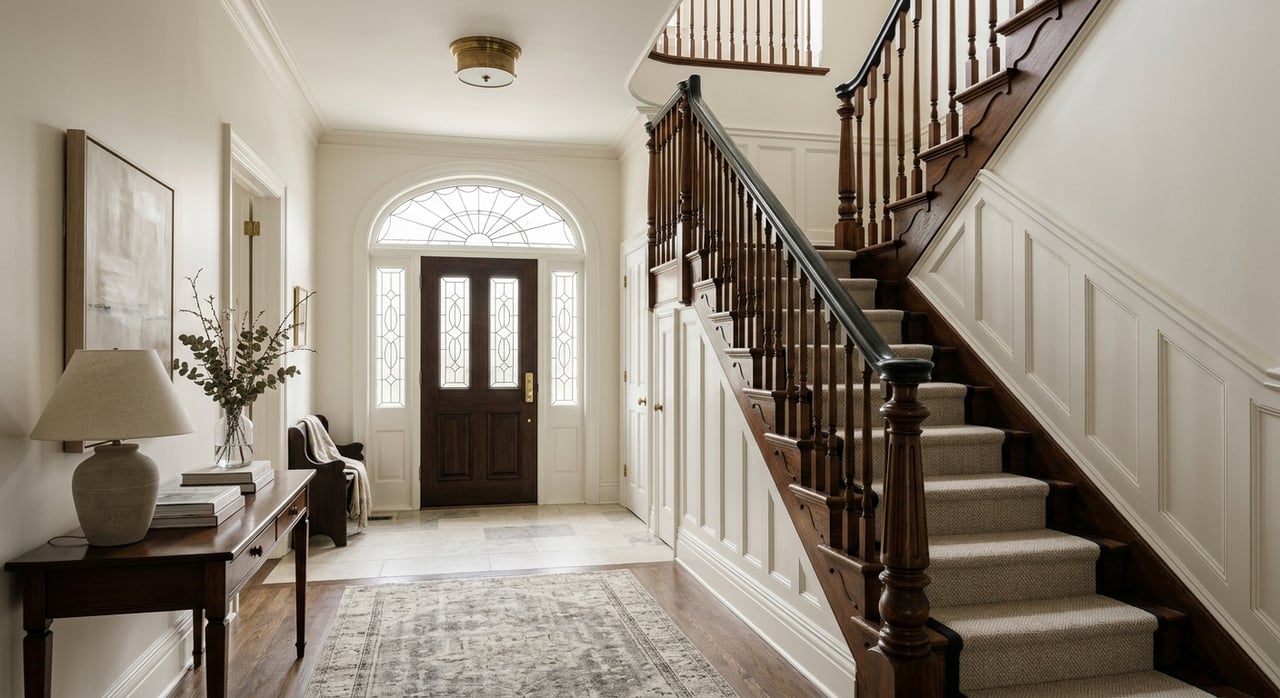
Wondering how buyers will react to an older home in Tinicum? That is a fair question, especially when your property has age, character, and a few quirks that newer homes do not. The good news is that in Tinicum, older homes often stand out for exactly those reasons, as long as you present them clearly, document them well, and prepare for the questions buyers are likely to ask. Let’s dive in.
Why older homes stand out in Tinicum
Tinicum Township has a strong preservation-minded character. The township has a Historical Commission focused on preserving historic properties and buildings, and local planning priorities emphasize natural, scenic, historic, and aesthetic values.
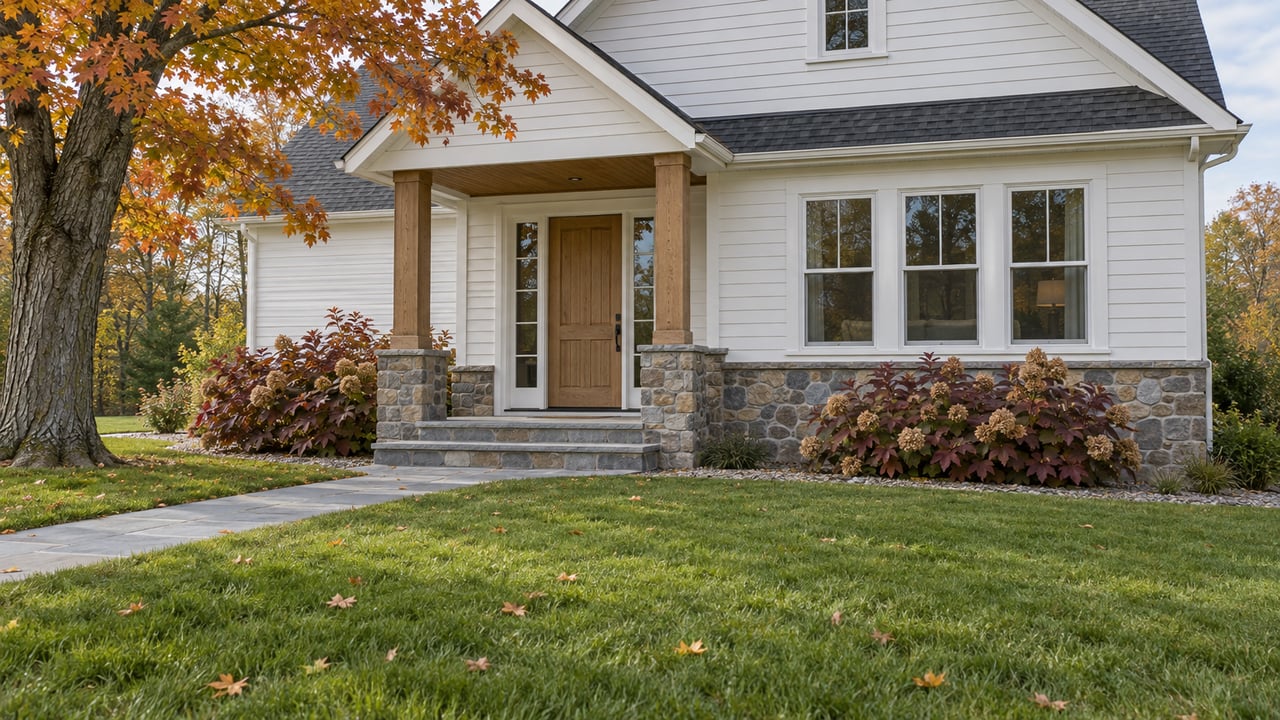
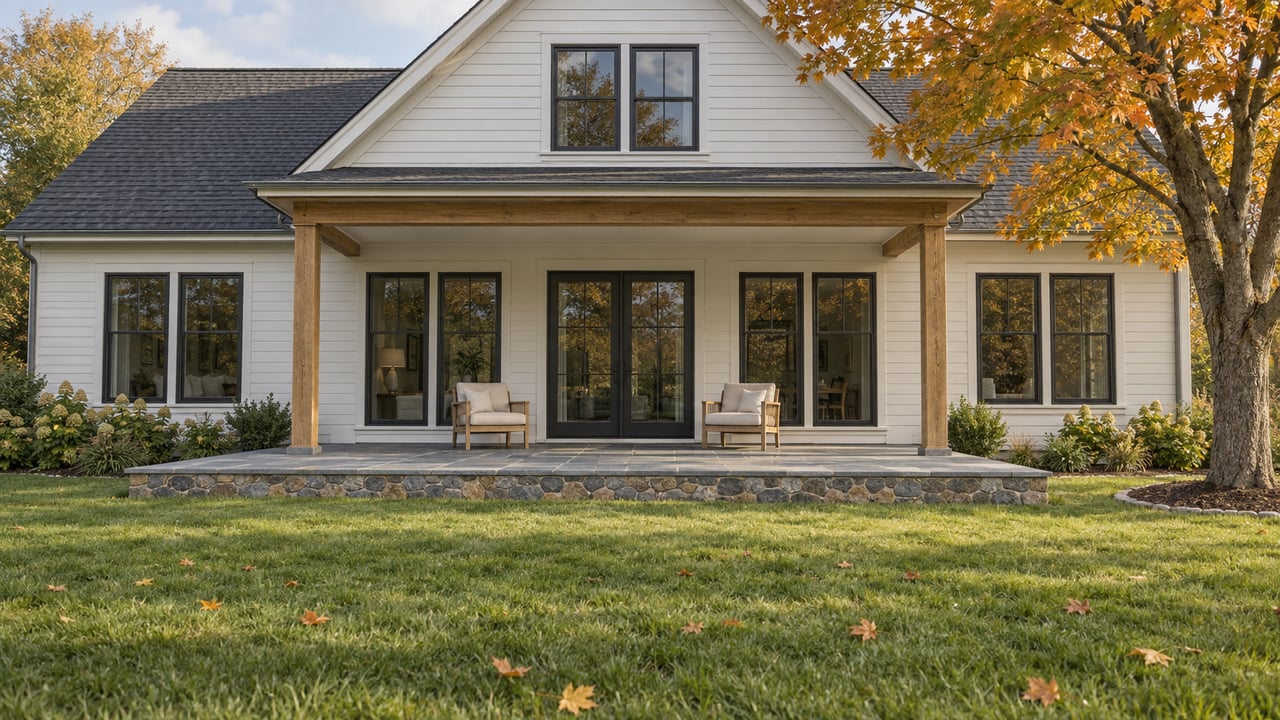
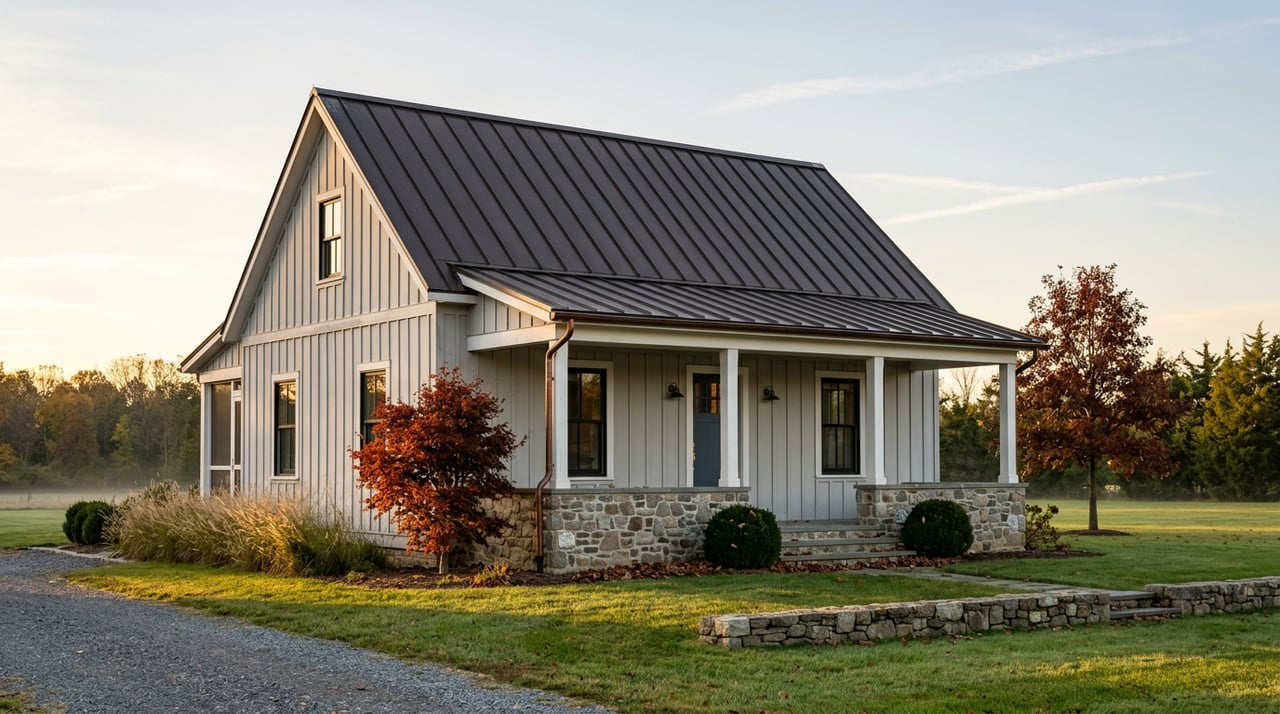
That setting shapes how buyers view older homes. In many cases, they are not just comparing bedroom counts or updated finishes. They are also reacting to the home’s setting, original details, mature landscaping, porches, stonework, and overall sense of place.
For you as a seller, that means age is not automatically a drawback. In Tinicum, character can be part of the value story when buyers can easily understand what is original, what has been improved, and what condition the home is in today.
Lead with character, not apology
One of the biggest mistakes sellers make with older homes is treating every original feature like a problem to explain away. In Tinicum, buyers often respond well to homes that feel authentic and well cared for.
That does not mean you should ignore wear or needed maintenance. It means your presentation should help buyers see the difference between historic charm and deferred upkeep.
Features like original trim, wood floors, built-ins, fireplaces, old doors, porches, and views can help your home feel memorable. If those details are visible, clean, and framed well, they become part of the home’s appeal instead of background noise.
Focus on pre-listing basics
Before you think about major upgrades, start with the fundamentals. According to NAR’s 2025 staging research, 83% of buyers’ agents said staging makes it easier for buyers to visualize a property as their future home.
That matters even more in an older house, where room uses, layouts, and architectural details may not read clearly at first glance. Staging is not about pretending the home is new. It is about helping buyers understand the space.
In most cases, the most useful pre-listing steps are:
- Decluttering each room
- Deep cleaning
- Improving curb appeal
- Removing overly personal décor
- Making original features easier to notice
For an older Tinicum home, this often means clearing visual distractions so details like trim, floors, doors, built-ins, and fireplaces can stand out. If your home has a porch, garden, stone wall, or scenic view, those should also feel easy to appreciate.
Gather records before you list
Older homes usually raise more questions. Buyers want to know not just what the home looks like, but also how it has been maintained and changed over time.
That is why paperwork can be one of your biggest selling tools. A well-organized seller packet can help your home feel documented and cared for, rather than simply old.
Useful records may include:
- Deeds
- Prior subdivision plans
- Permit records
- Renovation notes
- Inspection reports you already have
- Radon test results, if available
- Lead-related information for pre-1978 homes
- Well or septic paperwork, if applicable
Bucks County’s Recorder of Deeds maintains deeds, mortgages, subdivision plans, and related real estate documents. Pennsylvania’s house-history guidance also notes that deeds can help identify prior ownership, sale dates, and property descriptions.
If past work was completed on the home, permit history matters. Tinicum states that permits must be approved before work begins, and the township schedules building inspections for permitted projects. The township also specifically notes that septic and Bucks County health approval may be required when attic or basement renovations create bedrooms.
Expect more detailed buyer questions
When you sell an older home, buyers often look more closely at systems and structure. That is normal, and it does not mean your sale is in trouble.
Pennsylvania’s Real Estate Seller Disclosure Law requires sellers to disclose known material defects before an agreement of transfer is signed. The state disclosure form covers a wide range of topics, including roofing, basements and crawl spaces, pests, structural issues, additions and remodeling, plumbing, heating and cooling, electrical systems, drainage, hazardous substances, legal issues, and stormwater facilities.
For many older homes, buyers are especially focused on:
- Foundation condition
- Drainage and moisture issues
- Roof age and repairs
- Electrical updates
- Heating and cooling systems
- Plumbing condition
- Prior additions or renovations
If your home has had work done over many years, buyers may ask extra questions about what was added, when it was done, and whether permits were pulled. Being prepared with clear answers can make the transaction feel smoother.
Prepare for inspections early
A buyer’s home inspection is usually much broader than a quick walkthrough. NAR says inspectors commonly review the structure, roof, exterior, plumbing, electrical, HVAC, interiors, insulation, ventilation, and fireplaces.
Depending on the property, buyers may also look into health-related concerns such as mold, radon, lead paint, or asbestos. Older homes tend to get extra scrutiny because age alone can signal the possibility of outdated materials or hidden maintenance issues.
You cannot eliminate every inspection concern, but you can reduce surprises. If you know about a recurring issue, gather the relevant paperwork, repair records, or maintenance notes before your home hits the market.
Lead paint matters for pre-1978 homes
If your home was built before 1978, lead-based paint rules are an important part of the sale. EPA guidance says sellers of most housing built before 1978 must disclose known information about lead-based paint and lead hazards before sale.
Buyers must also receive the opportunity for an independent lead inspection. If your older Tinicum home falls into this category, make sure this information is handled early and accurately.
Radon is especially relevant in Pennsylvania
Radon should be on your radar when selling in Pennsylvania. The Pennsylvania DEP says radon is odorless and invisible, and about 40% of homes tested in Pennsylvania are above the EPA action guideline of 4 pCi/L.
DEP also states that if a home has been tested, the results must be disclosed when the home is sold. Just as important, the agency recommends testing before listing so any issue can be addressed in advance.
For sellers, this can be a smart move. If you test early, you may have more control over timing, repair decisions, and how the information is presented to buyers.
Check Tinicum-specific property factors
In Tinicum, the house itself is only part of the picture. The township’s overlay maps include floodplain, riparian buffer, steep slopes, wetlands, scenic roads, and related environmental layers.
That means buyers may ask questions not only about the structure, but also about where it sits and what affects future changes or improvements. Tinicum advises residents to contact the zoning office before making alterations or improvements, and the township includes a floodplain application process in its local workflow.
Before listing, it helps to confirm any property details tied to:
- Floodplain status
- Permit history
- Wetlands or riparian buffers
- Steep slopes
- Scenic-road considerations
These issues do not automatically stop a sale. They simply become easier to manage when you understand them before a buyer raises the question.
Well and septic paperwork can be important
If your home uses a private well or on-lot septic system, plan ahead. Bucks County has a residential well inspection program and a transfer permit application related to the well program.
The county also permits on-site sewage systems and provides a transfer-permit application for septic-related transfers. That transfer form notes that a maintenance agreement may be required before transfer.
If your home has well or septic systems, organized records can save time and reduce stress during negotiations. Buyers tend to feel more confident when these items are documented clearly.
What helps older homes sell well
In Tinicum, the strongest older-home listings usually do three things well. They respect the home’s character, they keep the presentation clean and easy to understand, and they remove as much uncertainty as possible.
That means your goal is not to disguise the home’s age. It is to show buyers that the property has been cared for, accurately described, and thoughtfully prepared for the next owner.
A strong plan often includes:
- Highlighting original features and setting
- Decluttering and cleaning before photography and showings
- Organizing permit and ownership records
- Completing seller disclosures carefully
- Addressing radon or other known issues early
- Preparing well and septic paperwork, if needed
- Reviewing Tinicum-specific zoning or floodplain questions in advance
Selling an older home in Tinicum can take a little more preparation, but that preparation often pays off. When buyers can see both the charm and the documentation behind the property, they are better able to move forward with confidence.
If you are preparing to sell and want a strategy that respects your home’s character while positioning it well for today’s buyers, The Walton-Winn Team can help you plan the next step.
FAQs
What should you do before selling an older home in Tinicum?
- Start with decluttering, deep cleaning, curb appeal, and gathering records like permits, deeds, renovation notes, radon results, and well or septic paperwork if applicable.
What disclosures are required when selling a home in Pennsylvania?
- Pennsylvania law requires sellers to disclose known material defects before an agreement of transfer is signed, including issues related to structure, roof, plumbing, electrical, drainage, pests, remodeling, and more.
What inspection issues are common with older Tinicum homes?
- Buyers often focus on foundations, drainage, roofs, electrical systems, plumbing, HVAC, and the condition of past additions or renovations.
What if your Tinicum home is in a floodplain or overlay area?
- Tinicum’s local maps include floodplain, wetlands, riparian buffer, steep slopes, and scenic-road layers, so it helps to confirm those conditions and understand any related permit history before listing.
Do pre-1978 homes in Tinicum need lead paint disclosure?
- Yes, sellers of most pre-1978 homes must disclose known information about lead-based paint and hazards, and buyers must be given the opportunity for an independent lead inspection.
Should you test for radon before listing a home in Pennsylvania?
- Pennsylvania DEP recommends testing before listing, and if your home has been tested, the results must be disclosed when the home is sold.