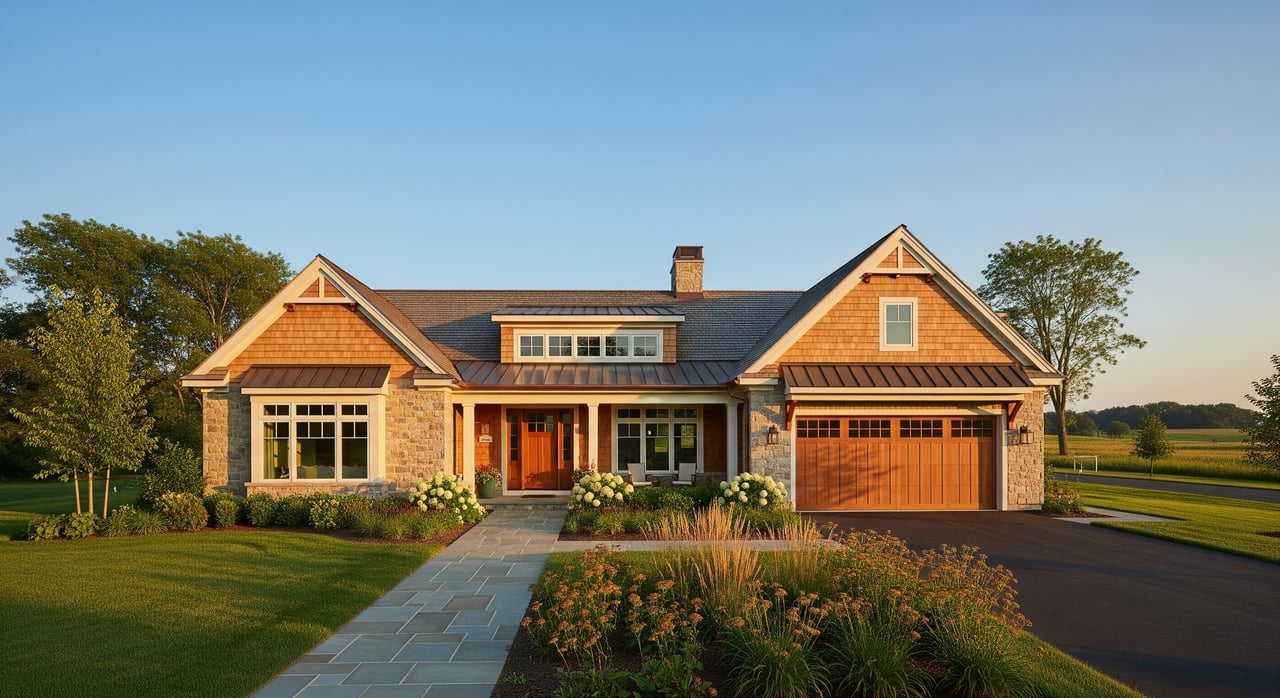
Thinking about a move to a 55+ community in Buckingham, Doylestown or nearby Central Bucks and New Hope areas? You want less upkeep, more convenience, and a place that fits your next chapter. The rules, fees, and lifestyle details can feel complex at first. This guide breaks down how age‑restricted communities work in Bucks County, what to expect from associations and amenities, and the questions to ask so you can buy with confidence. Let’s dive in.
What 55+ legally means
Under federal law, the Housing for Older Persons Act (HOPA) allows certain communities to limit residency to older adults. To qualify as 55+, communities must meet clear standards:
- At least 80% of occupied homes must have one resident age 55 or older.
- The community must publish and follow policies showing its intent to operate as 55+ housing.
- The association must verify residents’ ages using documentation like a driver’s license or birth certificate.
Age‑restriction addresses residency, not guests. Short‑term visits by younger family and friends are typically allowed. Communities often add rules that limit how long younger guests or caregivers can stay. Always confirm guest and occupancy rules in writing before you buy.
Community types in Central Bucks
You’ll find several formats across Buckingham, Doylestown, Newtown, and adjacent areas in Montgomery and Chester counties. Each comes with different maintenance levels, fee structures, and amenities.
- Condominium communities with shared buildings and common elements managed by a condo association.
- HOA communities with detached or attached single‑family homes in a planned neighborhood.
- Townhomes or duplexes that blend lower exterior maintenance with private entries and garages.
- Patio or carriage homes designed for single‑level living close to a clubhouse.
- Larger active‑adult or lifestyle communities with on‑site management and social programming.
- Mixed developments where a dedicated 55+ section sits within a broader neighborhood.
Floor plans in this market often emphasize main‑level living, open layouts, walk‑in showers, flex rooms for hobbies, and attached garages. Many homes are designed to reduce daily upkeep without sacrificing comfort or privacy.
How associations work
Most 55+ communities are governed by an association. A member‑elected Board of Directors oversees budgets, rules, and vendor contracts. Many boards hire a professional management company to handle day‑to‑day operations, maintenance scheduling, and resident communication. In newer communities, the developer may control the board for a period, which can impact early decisions on dues and reserves.
Before you commit, review the full document set. These papers shape your rights, responsibilities, and costs:
- Declaration or CC&Rs that set age rules, maintenance duties, and assessments.
- Bylaws describing voting, board roles, and meeting procedures.
- Rules and Regulations covering pets, parking, rentals, noise, and amenity use.
- Articles of Incorporation, if applicable.
- Resale certificate or estoppel letter with current fees, reserves, and any planned special assessments.
- Annual budget, financial statements, and the most recent reserve study.
- Recent board meeting minutes to spot recurring issues or upcoming projects.
Reading these documents with your agent and, when appropriate, an attorney helps you understand how the community actually runs.
Fees and what they cover
Association fees vary by home type, services, and community age. A condo with building insurance and more utilities included usually has higher dues than a detached‑home HOA that covers only common spaces. Don’t rely on averages. Ask for the current budget, fee schedule, and any planned changes.
Common charges include:
- Regular assessments for common‑area upkeep, landscaping, snow removal, management, insurance for shared elements, and contributions to reserves.
- Special assessments for large or unexpected projects when reserves fall short.
- One‑time transfer or resale certificate fees at closing.
- Amenity or program fees for optional classes or events.
Key financial risks to check:
- Reserve strength and whether a recent reserve study supports long‑term repair needs.
- Any planned or pending special assessments.
- Active lawsuits or regulatory issues involving the association.
- Rental caps that may affect resale strategies and buyer demand.
- Insurance gaps, including what the master policy covers versus what owners must insure individually.
Amenities and maintenance
Central Bucks and New Hope area 55+ communities often include on‑site features that make daily life simpler and more social. Expect variety from one neighborhood to another, so verify what is included at each property.
Common amenities:
- Clubhouse spaces for events, clubs, and classes.
- Indoor or outdoor pools and fitness rooms.
- Walking paths, green spaces, and community gardens.
- Organized activities such as arts, fitness, or day trips.
- On‑site management or coordinated vendor services.
Typical maintenance benefits:
- Exterior maintenance for certain home types, like roofing or siding in condo or townhome setups.
- Lawn care, landscaping, snow removal, and leaf cleanup in many HOAs.
- Building maintenance and insurance for common elements in condo buildings.
- Trash and recycling arranged through the association in some communities.
Services often not included:
- Interior repairs and maintenance.
- Certain utilities, especially in detached homes.
- Your personal homeowners insurance.
- Medical or long‑term care services. Most 55+ neighborhoods are independent living, not assisted living or nursing care.
Location factors in Bucks County
Location still drives lifestyle. In Buckingham, Doylestown, Newtown, and nearby townships, you’ll find suburban conveniences and cultural activities close by. Consider the following as you compare communities across Bucks, Montgomery, and Chester counties:
- Healthcare proximity. Map driving times to primary care, specialists, urgent care, and local hospitals including Doylestown (Penn), Grandview, Abington and also check access to pharmacies and physical therapy.
- Transit and travel. SEPTA options exist in the region, but coverage is uneven. Most residents rely on cars. Weigh access to major roads and proximity to airports if you travel often or expect frequent family visits.
- Taxes and cost of ownership. Property tax rates vary by municipality. Compare the ongoing total of property taxes, HOA/condo dues, and insurance rather than just purchase price.
Lifestyle fit and tradeoffs
Each 55+ community offers a different balance of privacy, social life, and maintenance. Match the neighborhood to your priorities.
- For a robust social calendar, look for clubs, classes, and an active events schedule.
- For low maintenance, focus on condos or HOAs that include exterior care and lawn services.
- For privacy and quiet, review rental policies, parking rules, and enforcement history.
- For healthcare access, pick a location near the providers you use most.
- For mobility, consider home design details like main‑level living, fewer steps, and walk‑in showers.
What to ask before you buy
Use this checklist to make an informed decision in a Bucks County‑area 55+ community:
- Is the community formally recognized as 55+, and how is the policy documented under HOPA?
- Can I review the CC&Rs, Bylaws, Rules, the latest budget, financials, reserve study, and board minutes for the past year?
- What does the monthly fee include exactly, and which utilities or services are not covered?
- Are there pending special assessments or major projects scheduled?
- How strong are the reserves compared to upcoming capital needs?
- Is there any ongoing litigation involving the association?
- How does age verification work at purchase and for ongoing occupancy?
- What are the pet, parking, guest, caregiver, and rental policies?
- Who manages the community, and how responsive is management?
- How have dues changed over the past few years, and are increases expected?
- What amenities are included versus optional, and are there usage fees?
- What does the master insurance policy cover, and what coverage must I carry?
- How quickly do homes here typically resell, and what drives pricing?
Buying with a local guide
A successful downsizing move balances comfort, budget, and location. You deserve unbiased guidance on documents, fees, and tradeoffs from someone who knows Central Bucks communities well. Our team is rooted in Doylestown and works across Bucks County and neighboring townships every day. We help you compare options, review association materials, and connect with trusted local pros so your decision feels clear and confident.
If you’re exploring 55+ living in Buckingham or the surrounding counties, reach out to The Walton-Winn Team. We’ll help you find the right fit and navigate the details at every step.
FAQs
What does the 80% rule mean in a 55+ community?
- At least 80% of occupied homes must have one resident age 55 or older, and the association must verify ages and maintain policies that show it operates as 55+ housing.
How much are HOA fees in Bucks County 55+ communities?
- Fees vary widely by home type and what is included; ask for the current budget, fee schedule, and resale certificate to see exact amounts and any planned changes.
Are grandchildren allowed to stay in a 55+ community home?
- Short‑term visits are typically allowed, but long‑term occupancy by younger people is restricted; check the community’s guest and occupancy rules in writing.
What’s the difference between 55+ living and assisted living?
- Most 55+ communities offer independent living with amenities and maintenance, not medical or long‑term care services; assisted living provides clinical support under a different model.
Can I rent out my 55+ home in Buckingham?
- Many 55+ communities limit or regulate rentals; review the Rules and CC&Rs for any rental caps, application steps, and minimum lease terms.
Which documents should I review before buying in a 55+ community?
- Ask for the CC&Rs, Bylaws, Rules, recent meeting minutes, current budget, financials, reserve study, master insurance details, and the resale certificate or estoppel letter.