Picture your week in New Hope: morning coffee on a canal walk, dinner steps from the Playhouse, or sunset on a quiet deck overlooking rolling hills. If you are weighing a move here, you are likely deciding between two great lifestyles. Each offers a distinct rhythm, home style, and budget profile. In this guide, you will compare the walkable riverfront core with the peaceful hills and countryside just beyond, plus get practical checks on flood risk, utilities, schools, taxes, and transit. Let’s dive in.
Riverfront New Hope: walkable and artsy
Daily life in the borough
Downtown New Hope is compact, lively, and easy to navigate on foot. With a Walk Score around 82, most dining, galleries, and errands sit within a short stroll of the Delaware Canal and Main Street. The towpath through Delaware Canal State Park is your year‑round trail for walking and biking. Seasonal events and the Bucks County Playhouse keep the calendar full and the sidewalks active.
Homes and architecture you will find
In the borough you will see historic cottages, canal‑front townhomes, converted mill or warehouse buildings, and boutique condos. Yards tend to be smaller, and many homes are renovated historic structures with character details. The most prized addresses sit along the canal or river and often trade at a premium for views and proximity.
Pricing signals to expect
Inventory in the borough is tight, so a single high or low sale can swing medians in any given month. Recent market snapshots show median sale prices in roughly the mid‑ to high‑six‑figure range, with a Redfin reading around the mid‑$800s as of January 2026. Use current MLS data for a live picture and expect premium pricing for true riverfront or Main Street locations.
Pros and cons to weigh
- Pros: Walk‑to‑everything lifestyle, strong dining and arts scene, canal access, and broad resale appeal anchored by cultural draws like the Bucks County Playhouse.
- Cons: Weekend visitor traffic, tight parking, smaller lots, and potential flood‑insurance needs for low‑elevation properties.
Hills and countryside: Solebury, Upper Makefield, beyond
Daily life in the quiet pockets
Just outside the borough, the landscape shifts to rolling hills, preserved land, and a peaceful, rural feel. You trade sidewalks for starry nights and room to breathe. Grocery runs and school drop‑offs are by car, but Main Street is still a short drive for dinner and a show.
Homes and land you will see
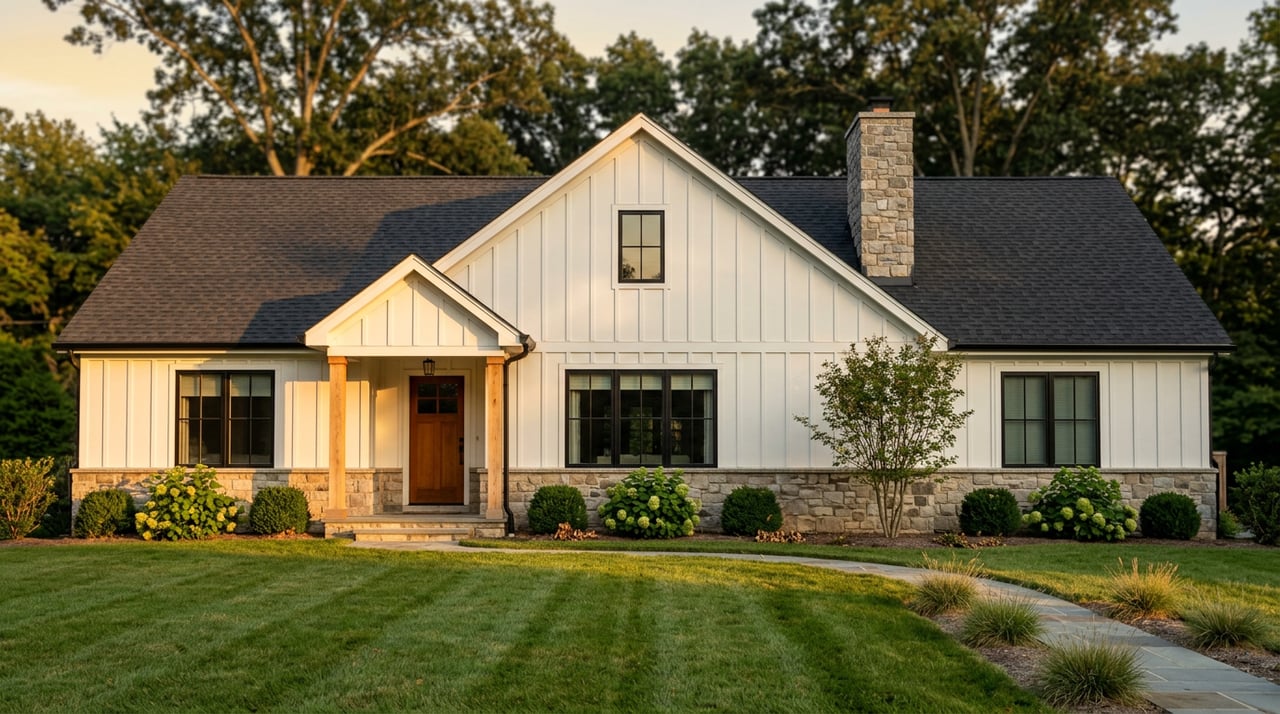
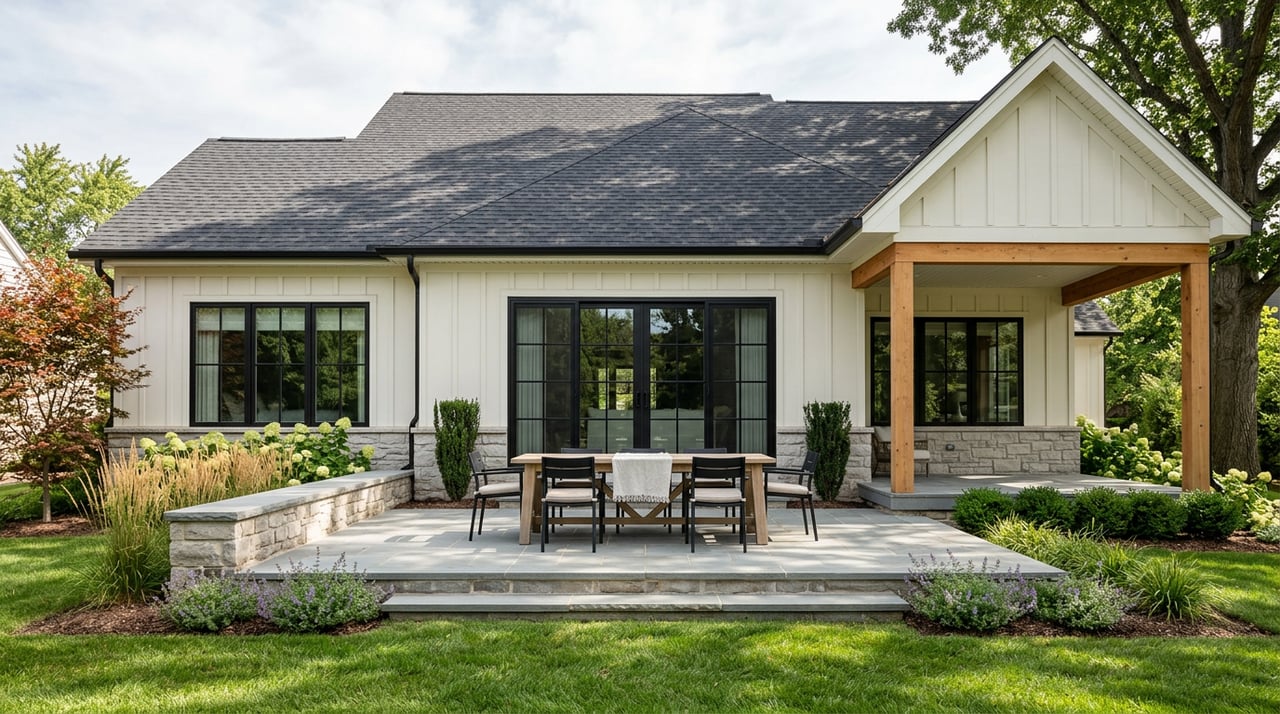
Expect historic stone farmhouses, mid‑century country homes, custom builds, and estate properties on multi‑acre lots. Many parcels use private wells and onsite septic, and some townships intentionally limit public utilities to preserve rural character. Upper Makefield notes that only a small number of homes are on public water and sewer, with the remainder on wells and septic; you can review local guidance on the Upper Makefield residents page.
Pricing signals to expect
Median list prices in nearby townships like Solebury are commonly higher on a per‑property basis because of acreage and estate‑scale homes. Price per square foot can vary, but buyers often pay a premium for privacy, land, and outbuilding potential. Use current MLS data to compare like‑for‑like by home type and lot size.
Pros and cons to weigh
- Pros: Space, privacy, room for pools and barns, quieter nights, and typically less direct flood exposure due to higher elevations.
- Cons: Car‑dependent lifestyle, longer drives for restaurants and events, and the added responsibility of well and septic maintenance.
Practical checks that affect value
Walkability and errands
- Borough core: Very walkable. See the current Walk Score for New Hope.
- Outside the core: Walkability drops quickly, so plan for daily driving.
Flood risk and insurance
- River‑adjacent parcels can sit in FEMA Special Flood Hazard Areas. Before you fall in love with a river address, do the following:
- Review the borough’s FEMA flood‑map guidance and lookup tools on the New Hope flood map page.
- Pull a parcel view using the Bucks County Floodplain Viewer.
- Ask for an elevation certificate and a current NFIP or private flood‑insurance quote early.
Utilities: public vs. well and septic
- Borough homes are more likely to have public water and sewer. Hillside and country homes typically rely on private well and onsite septic systems. Confirm service type with the municipality and request recent well tests and septic inspection reports during due diligence. Local townships outline these differences on resources like Upper Makefield’s resident page.
Schools and district boundaries
- The New Hope–Solebury School District ranks highly in local comparisons and is a common draw. Review performance and context on Niche’s New Hope–Solebury page, and verify district and attendance boundaries for any property you consider.
Taxes and carrying costs
- Property tax bills in Bucks County include county, municipal, and school portions. Millages can change annually. Ask for the current tax bill and the most recent county and township millage notices when you evaluate total monthly carrying costs.
Commute and transit
- Many residents drive to regional rail or to Trenton‑area transit hubs. There is also direct motorcoach service to Manhattan via Trans‑Bridge Lines. Typical drive times are about 50 minutes to Center City Philadelphia and about 90 minutes to Midtown Manhattan, depending on route and traffic.
Historic district project reviews
- Parts of the borough fall within a historic district overseen by a Historic Architectural Review Board. Exterior changes may require review. See the borough’s HARB framework in the New Hope code reference.
Seasonality and events
- Summer weekends and holidays bring energy to downtown. Check the year’s festivals and programming on Visit New Hope’s events calendar and the Bucks County Playhouse to understand peak times.
Which lifestyle fits you best?
Downtown arts lover
You want galleries, theaters, and dining within a few blocks. You accept smaller outdoor spaces in exchange for a true walk‑to‑everything lifestyle. A renovated rowhome or canal‑front condo near Main Street could be your sweet spot.
Family seeking strong schools
You value a friendly town feel and access to a high‑performing district. You might choose a larger home on the borough’s edge or a modest acreage lot nearby for extra space. Focus on homes that balance your daily driving with proximity to parks and activities.
Privacy and acreage buyer
You prioritize quiet, land, and outdoor amenities like pools or gardens. A historic farmhouse or a custom build in Solebury or Upper Makefield offers room to grow. Plan for well and septic care and a bit more driving for restaurants and shows.
Weekend or second‑home investor
The riverfront can attract strong short‑term interest, but rules vary by municipality, HOA, and building. Always verify local short‑term rental permissions and economic assumptions before you set an investment strategy.
Recent market snapshot
New Hope’s borough shows consistently strong demand and limited inventory. Market aggregators have recently placed median sale prices around the mid‑ to high‑six‑figure range, with a January 2026 snapshot reading in the mid‑$800s. Because the borough is small, month‑to‑month swings can be significant. Use a 12‑month view and current MLS comparables by property type and location to anchor your plan.
How to compare both in a single tour
- Start with a morning canal walk and coffee downtown to feel the borough’s pace.
- Drive 10 to 20 minutes into Solebury or Upper Makefield to tour a few acreage properties.
- Return to Main Street for an early dinner and a Playhouse show to experience evening energy.
- Keep notes on parking, drive times, noise levels, yard size, and any flood or utility questions to bring back to your agent.
Ready to explore homes that fit your lifestyle, budget, and timeline? The local guidance you get matters. If you want a boutique, high‑touch search supported by best‑in‑class marketing and resources, connect with The Walton‑Winn Team.
FAQs
What is walkability like in downtown New Hope?
- The borough core is very walkable with a Walk Score around 82; check the specific block you are considering using the Walk Score New Hope page.
Are New Hope riverfront homes in flood zones?
- Many river‑edge parcels lie in FEMA Special Flood Hazard Areas; review the borough’s FEMA flood‑map guidance and confirm a parcel’s status in the Bucks County Floodplain Viewer.
How do utilities differ between borough and countryside homes?
- Borough properties more often have public water and sewer, while country homes typically rely on well and septic; verify service type and see local guidance like Upper Makefield’s residents page.
How are schools in the New Hope area?
- The New Hope–Solebury School District receives strong marks in local rankings; review details and context on Niche’s district overview.
What are commute options to NYC and Philadelphia from New Hope?
- Many residents drive to regional rail, and there is direct bus service to Manhattan via Trans‑Bridge Lines; plan about 50 minutes to Center City and 90 minutes to Midtown, depending on traffic.
Are exterior changes restricted in historic parts of town?
- In the borough’s historic district, certain exterior projects require review; see the HARB framework in the borough code reference.