Buying in Solebury or New Hope and not sure how an appraisal differs from a home inspection? You are not alone. The terms sound similar, but they serve very different purposes that affect your financing, your negotiations, and your peace of mind. In this guide, you will learn what each professional does, what to expect with our local historic and estate homes, how results can change your deal, and the steps to take to protect your budget. Let’s dive in.
Appraisal vs. inspection at a glance
An appraisal and an inspection answer two different questions.
- Appraisal: What is the home’s market value for the lender?
- Inspection: What is the home’s physical condition for you as the buyer?
Purpose and standards
- Appraisers form an opinion of value using comparable sales and market data. Their work follows industry standards like USPAP and lender rules for conventional and government-backed loans.
- Home inspectors evaluate the property’s condition. They follow standards of practice from groups such as ASHI or InterNACHI. In Pennsylvania, inspectors follow state requirements and professional guidelines.
Who hires and who pays
- Appraisal: Your lender orders the appraisal. The cost is usually a buyer closing cost, even though the lender is the appraiser’s client.
- Inspection: You choose and hire the inspector. The report is yours and stays confidential unless you choose to share it.
Confidentiality and distribution
- Appraisal reports go to the lender. You usually receive a copy, but the lender is the client of record.
- Inspection reports go directly to you and your agent.
What appraisers look for in New Hope and Solebury
Typical appraisal scope
Appraisers perform a brief interior and exterior walk-through to confirm the property type, size, bedroom and bathroom count, and general condition. They measure gross living area, note significant defects that could impact value or marketability, and then compare the home to recent sales. They are not doing a code-level or repair-scope inspection.
Unique and historic homes
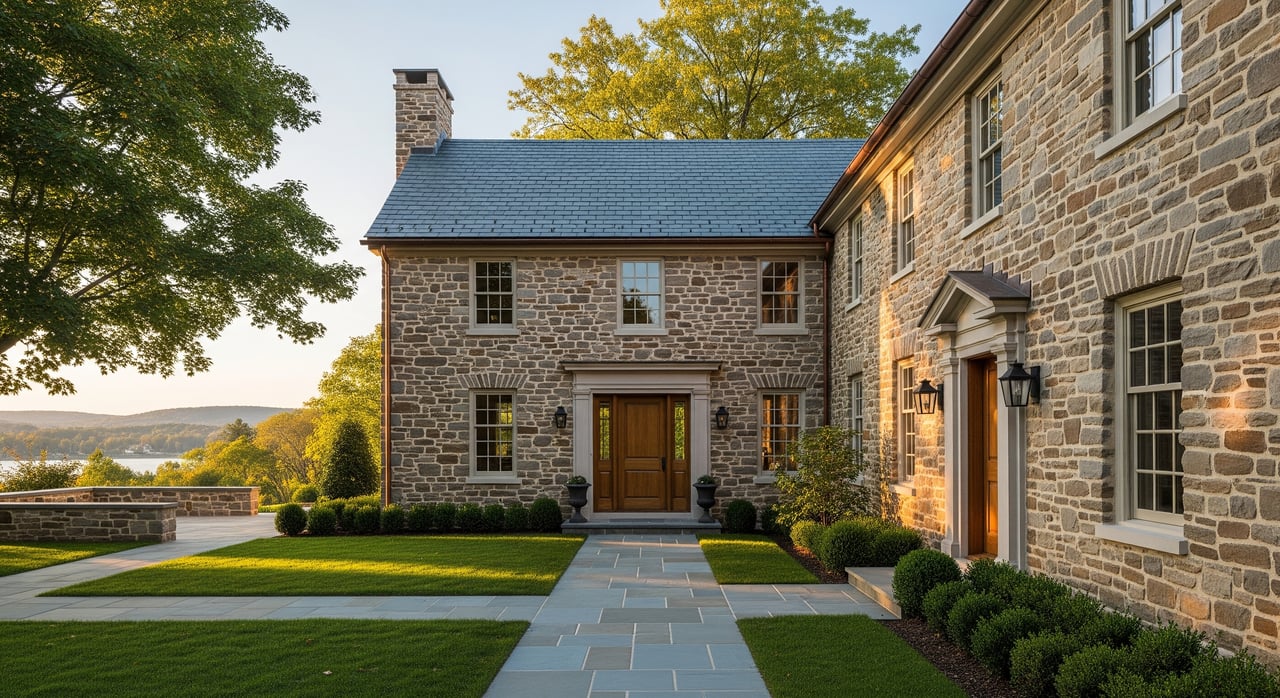
In Solebury and New Hope, many homes date to the 18th and 19th centuries. For unusual or historic properties, appraisers may expand the search area for comparable sales or use additional valuation approaches. Scarce or distant comps can create more variation in value, which is normal with one-of-a-kind estates or stone farmhouses.
What inspectors evaluate in Bucks County homes
General home inspection
A general inspection is a visual, non-invasive review of major systems:
- Roof, exterior, and site drainage
- Foundation and visible structure
- Plumbing supply and waste lines
- Electrical service, panels, and visible wiring
- Heating and air conditioning equipment
- Interior finishes, windows, doors, insulation, and ventilation
You receive a narrative report with photos and recommendations. The inspector does not set market value or certify code compliance, but they flag safety issues and likely repair or replacement timelines.
Specialty inspections for historic and estate properties
Many local homes benefit from targeted tests, especially older or larger properties:
- Structural or engineer evaluation for stone foundations or settlement
- Chimney and fireplace inspection for masonry and flues
- Electrical safety review for knob-and-tube or cloth wiring
- Termite and wood-destroying insect inspection
- Radon testing, which is recommended in parts of Pennsylvania
- Septic system inspection or perc test for properties on septic
- Well water testing for homes on private wells
- Asbestos and lead-based paint testing in older homes
- Sewer scope for older lines or properties near water
- Environmental or wetland review for riverfront parcels
Costs and timelines in Solebury
Every house and vendor is different, but these ranges are common for our area:
- Appraisal: About $400 to $800 for typical homes. Complex, historic, or high-value estates can run $800 to $1,500 or more.
- General home inspection: About $300 to $600 for standard homes. Larger or historic properties often run $500 to $1,000 or more.
- Specialty tests: Radon $100 to $200, sewer camera $150 to $400, septic inspection $300 to $600, structural engineer $400 to $1,000 or more depending on scope.
Timing expectations:
- Appraisal: Often 3 to 7 business days from order to delivery, depending on appraiser workload, lender needs, and property complexity.
- Inspection: On-site time is usually 2 to 4 hours. Reports often arrive within 24 to 72 hours.
Contract contingencies:
- Inspection contingency windows commonly run 7 to 14 days, though local practice can vary.
- Appraisal and financing timelines follow your lender’s schedule and any appraisal contingency in your agreement.
Local factors that change your plan
Historic structures and systems
Many Solebury and New Hope homes include stone foundations, plaster walls, and older mechanicals. Inspectors often note mortar deterioration, efflorescence, moisture, or legacy wiring. Appraisers reflect overall condition in value, especially when significant updates or repairs are needed.
Flood and drainage risk
Properties near the Delaware River or in low-lying areas may have added flood risk. Some parcels are within mapped floodplains and may require flood insurance, which affects total ownership cost and marketability. Confirm flood status and consider drainage assessments as part of your due diligence.
Septic and well
Estate and large-lot homes often have private septic systems and wells. Expect septic inspections and water quality testing to be part of your process.
Historic districts and permits
Exterior changes to homes in designated historic districts or properties with conservation easements may require review and approval. This can affect the cost, design choices, and timing of planned upgrades.
Tax assessments vs. market value
Bucks County assessments do not equal market value. Treat assessed values as tax tools, not pricing targets.
Scarcity of comparable sales
One-of-a-kind homes may lack close comps, so appraisals can vary more. Be prepared to support value with broader market data when needed.
How results shape your negotiations and loan
If the appraisal meets or beats the contract price
Your lender proceeds with underwriting based on the appraised value. You move forward with financing, subject to final conditions.
If the appraisal comes in low
A low appraisal does not always kill the deal. Your options often include:
- Renegotiate price with the seller
- Bring additional cash to cover the gap
- Split the difference through price and cash
- Ask your lender for a reconsideration of value by providing recent relevant comps
- Order a second appraisal, recognizing results can vary and you pay the fee
If you included an appraisal contingency, you may have the right to cancel within the deadline if no agreement is reached.
If the inspection finds issues
Inspection findings create negotiation leverage. Common paths include:
- Ask the seller to complete repairs before closing
- Request a seller credit or price reduction for estimated costs
- Use a repair holdback or escrow when timing is tight
- Cancel within the inspection contingency if you cannot reach agreement
Prioritize safety and structural items first. Cosmetic items usually come second.
Market conditions matter
In a strong seller’s market, focus on major systems and safety items for a more competitive approach. In a buyer’s market, you may have more room to request repairs or credits.
Real-world style scenarios
- Historic cottage in New Hope: The inspector finds knob-and-tube wiring and active roof leaks. The appraiser uses comps from a wider area due to limited local sales. Likely next steps include obtaining electrician and roofing estimates and seeking a credit or price adjustment.
- Estate with outbuildings and septic: A septic inspection fails on a Solebury property. You may ask the seller to repair or replace the system, negotiate a credit, or use an escrow if allowed. Some lenders require functional sewage disposal before closing.
- Riverfront property: The appraiser weighs flood insurance costs and marketability. The inspector notes moisture effects on masonry. Both factors can affect value and your overall cost of ownership.
Step-by-step checklist for Solebury buyers
Before you write an offer:
- Ask the seller for recent permits, maintenance records, and utility bills.
- Confirm if the property is in a historic district or has a conservation easement.
- Review flood history and check whether the parcel lies in a mapped flood zone.
When writing the offer:
- Include an inspection contingency. Seven to fourteen days is common.
- If financing, keep an appraisal contingency or align with lender timing to protect your options.
Right after going under contract:
- Schedule the general inspection immediately.
- Pre-schedule likely specialty tests for our area, such as septic, well water, radon, chimney, and a structural engineer for older stone foundations.
- For older homes, consider lead paint and asbestos consultations based on age and materials.
If the appraisal is low:
- Gather documentation on unique features and recent comparable sales. Share with your agent and lender quickly to meet deadlines.
For large or complex properties:
- Budget extra time and funds for specialty inspections, surveys, and additional appraisal analysis.
Work with a local guide who knows historic homes
Buying in Solebury and New Hope can be straightforward when you understand the roles of appraisal and inspection and plan for the nuances of historic and estate properties. With clear contingencies, the right specialists, and a local strategy, you can protect your budget and close with confidence.
If you would like help tailoring this plan to a specific property, reach out to The Walton-Winn Team. Let’s talk about your Bucks County home.
FAQs
Who pays for the appraisal and inspection in Solebury?
- Your lender orders the appraisal and you typically pay it as a closing cost; you hire the home inspector directly and pay for the inspection and any specialty tests.
How long do the appraisal and inspection take in Bucks County?
- Appraisals often take 3 to 7 business days from order to report; inspections take 2 to 4 hours on site, with reports in about 24 to 72 hours.
What do appraisers and inspectors each look for?
- Appraisers verify size, condition, and features to determine market value; inspectors review major systems to identify defects, safety issues, and maintenance needs.
What happens if my appraisal is lower than the contract price?
- You can renegotiate price, bring more cash, split the gap, request a reconsideration with new comps, or in some cases cancel under an appraisal contingency.
Which specialty inspections are common for historic Solebury homes?
- Structural, chimney, electrical safety, termite, radon, septic, well water, lead paint, asbestos, and sometimes sewer camera or environmental reviews for riverfront parcels.
Will inspection issues delay or prevent my loan?
- Some lender guidelines require major safety or structural repairs before closing; work with your lender and agent to address required items or negotiate credits and repairs.
How do flood risk and historic-district rules affect buying?
- Flood zones can add insurance costs and affect value, while historic-district review can shape renovation plans and timelines; factor both into your budget and schedule.