Trying to choose between a historic farmhouse and a new build in Buckingham? You are not just picking a floor plan or a finish package. You are deciding how you want to live, what kind of upkeep you can handle, and what kind of setting feels most like home. If you are weighing charm against convenience in Bucks County, this guide will help you compare the tradeoffs with more confidence. Let’s dive in.
Why Buckingham Makes This Choice Unique
Buckingham is not a one-note housing market. The township spans 33 square miles, has deep agricultural roots, and still retains a strong farm community even after decades of suburban development. As of 2025, 6,475 acres had been permanently protected from development, which helps preserve the area’s open landscape and rural character.
That setting shapes the home search in a real way. Historic village areas like Buckingham Village, Lahaska, Wycombe, Spring Valley, Mechanicsville, and Pineville add to a more layered housing mix, instead of a single uniform neighborhood pattern. If you are choosing between an older farmhouse and new construction here, you are really comparing two very different ownership experiences.
Historic Farmhouse Appeal
A historic farmhouse in Buckingham often offers something hard to copy. It is usually tied to the land, the road pattern, and the older structures around it in a way that creates a strong sense of place. That can mean mature trees, outbuildings, older approach roads, and a setting that feels connected to Buckingham’s long history.
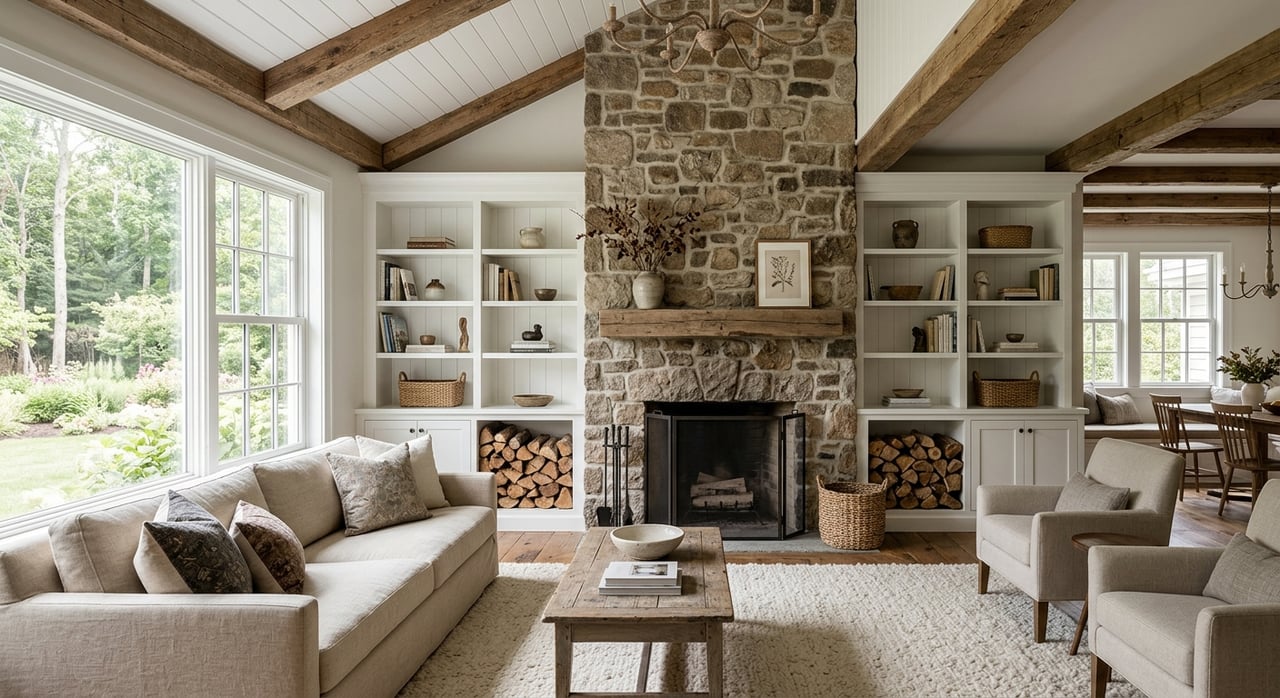
Many older farmhouses also evolved over time instead of being built all at once. Local stone houses and barns reflect English and German architectural traditions, and some recognized historic homes show classic features like a tall main block, rear kitchen wing, and additions built in stages. For you as a buyer, that often translates to character, quirks, and a layout that feels less standardized.
What daily life can feel like
Living in a farmhouse is often as much about the setting as the square footage. The township’s planning language points to the placement of buildings, roads, hedgerows, walls, and farm structures as part of what gives these properties their identity. If you want a home that feels rooted in Bucks County’s landscape, that may be the biggest draw.
Older homes may also include features like thick walls, operable windows and shutters, porches, and vents that were part of earlier building methods. Those details are part of the charm, but they also shape how the home performs and how you care for it over time.
Historic Farmhouse Realities
Character usually comes with more responsibility. Older homes often need more regular attention to paint, masonry, gutters, weatherstripping, windows, and moisture management. That does not make them a bad choice, but it does mean you should go in with clear expectations.
Energy performance is another key consideration. Older homes often have less insulation than newer ones, and updates need to be handled carefully. Guidance from both EPA and the Pennsylvania Department of Environmental Protection notes that older homes need a thoughtful, home-specific approach because changes to airflow, insulation, and moisture control can create unintended problems if they are not planned well.
Windows, insulation, and moisture matter
Windows are one of the biggest decision points in an older home. The U.S. Department of Energy says windows account for 25% to 30% of residential heating and cooling energy use. At the same time, existing windows in good condition can often be improved with repair, caulk, weatherstripping, and storm windows rather than automatic replacement.
That is a helpful reminder if you love an older farmhouse but worry about efficiency. The answer is not always to strip out original features. In many cases, the better path is careful maintenance and smart upgrades that respect how the house works.
New Build Benefits in Buckingham
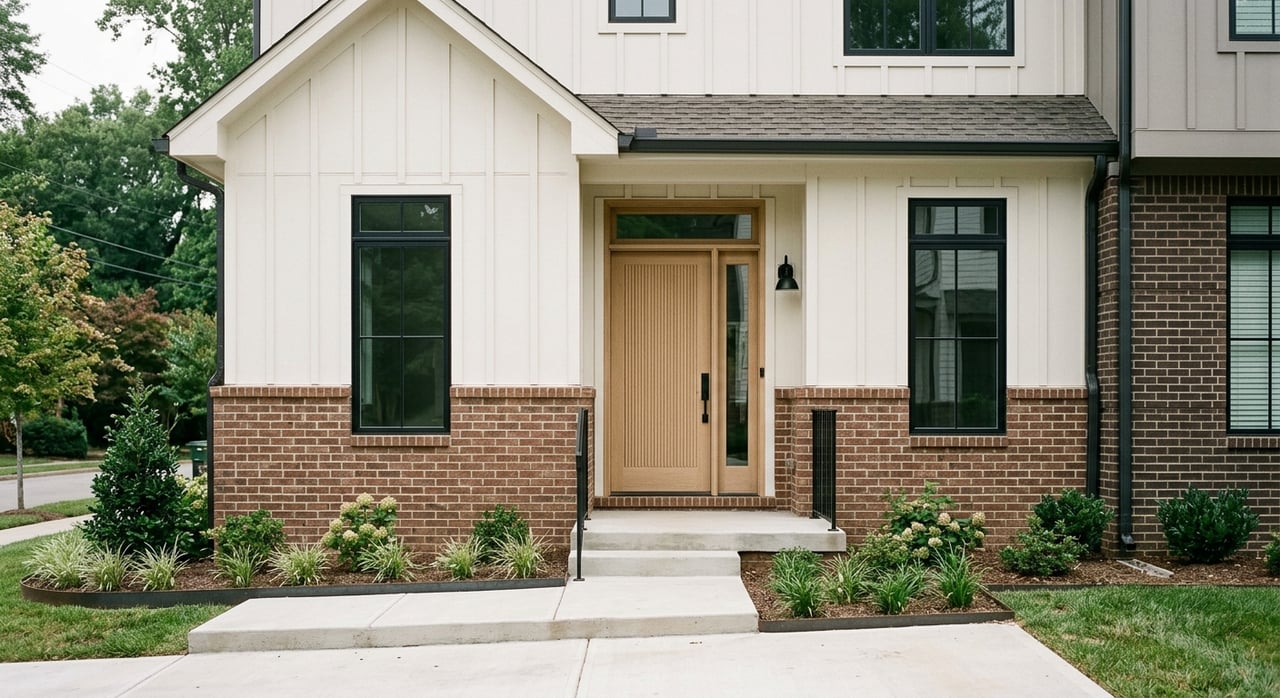
If a historic farmhouse is about stewardship and character, a new build is usually about predictability and ease. New homes can be designed as whole-house systems, with insulation, air sealing, windows, heating and cooling, lighting, and site conditions planned together from the start. That can lead to better comfort, efficiency, durability, and a more straightforward ownership experience.
For many buyers, that predictability is the biggest advantage. Insulation installed during construction is generally more cost-effective than retrofitting later, and some new homes may exceed minimum insulation levels required by state and local codes. If you want fewer unknowns in the first years of ownership, new construction can be very appealing.
What daily life can feel like
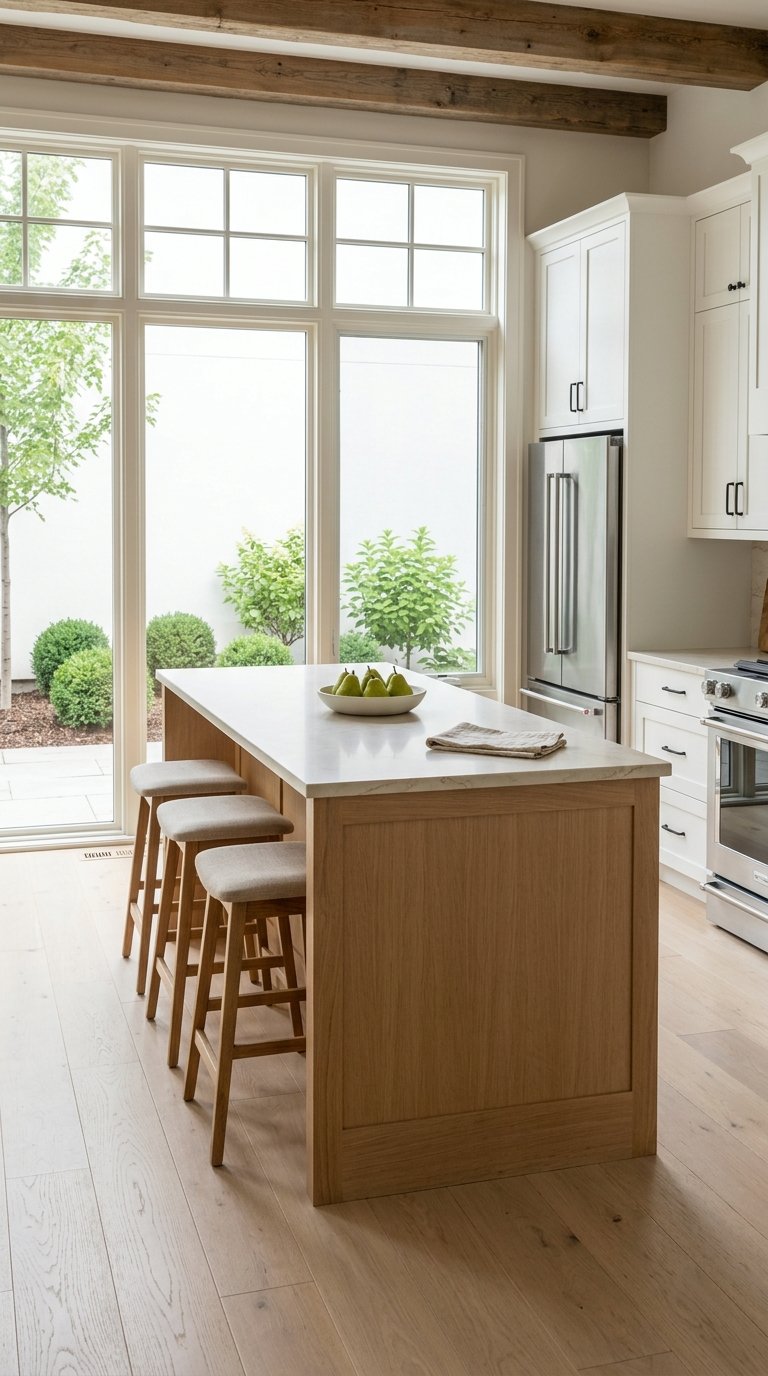
New construction often shifts the focus from repair to systems management. You are less likely to spend your early years addressing aging materials and more likely to focus on routine upkeep and understanding how the home’s systems operate. That can feel simpler, especially if you are balancing work, family, or a relocation.
Well-designed new homes also need controlled ventilation. According to DOE, whole-house ventilation helps provide consistent fresh air and can support comfort, indoor environmental quality, and lower maintenance pressure when paired with the rest of the home’s systems.
New Build Tradeoffs to Consider
A newer house does not always mean less to manage overall. In Buckingham, zoning can shape the new-build experience in ways that surprise buyers coming from denser suburban areas. Depending on the district, minimum lot sizes can include 1.0 acre in R-9 and 1.8 acres for single-family detached dwellings in AG-1, along with setback and impervious-surface limits.
That means the house may be newer and more efficient, but the property itself may still require meaningful outdoor maintenance. More land can mean more mowing, landscaping, drainage planning, and long-term site care. If you are comparing a farmhouse and a new build, it helps to think beyond the house and look at the full property workload.
Key Questions Before You Buy
The best choice usually comes down to how much character, flexibility, and maintenance you want in your day-to-day life. Before you commit, ask targeted questions based on the type of home you are considering.
If you are considering a historic farmhouse
- Is the property on Buckingham’s Official List of Historic Resources or located within a historic district?
- Have additions, alterations, repairs, demolition work, driveways, wells, tanks, pools, or stormwater improvements been properly permitted?
- Has the home had a recent energy audit or moisture review?
- Are the windows, masonry, gutters, and exterior materials in good condition?
- Do you understand how the layout evolved over time and how that affects daily flow?
If you are considering a new build
- What insulation, air sealing, and ventilation standards are included by the builder?
- What zoning, setback, and impervious-surface rules apply to the lot?
- Will the property require stormwater or land development review?
- If there is no public water or sewer, what Bucks County Department of Health requirements apply?
- How much land maintenance will the site require after move-in?
Historic Farmhouse vs. New Build
Here is the simplest way to frame the decision.
| Feature | Historic Farmhouse | New Build |
|---|---|---|
| Setting | Often tied closely to land, roads, and older structures | Usually more planned and standardized |
| Layout | May reflect additions over time | Typically designed all at once |
| Character | Strong architectural identity and sense of place | Clean, contemporary, and more predictable |
| Energy Performance | Often needs careful upgrades and maintenance | Usually more efficient from the start |
| Maintenance | More ongoing attention likely | Usually less intensive early on |
| Lot Experience | Can include outbuildings and older site features | May still involve large-lot upkeep in Buckingham |
Which Buyer Fits Which Home?
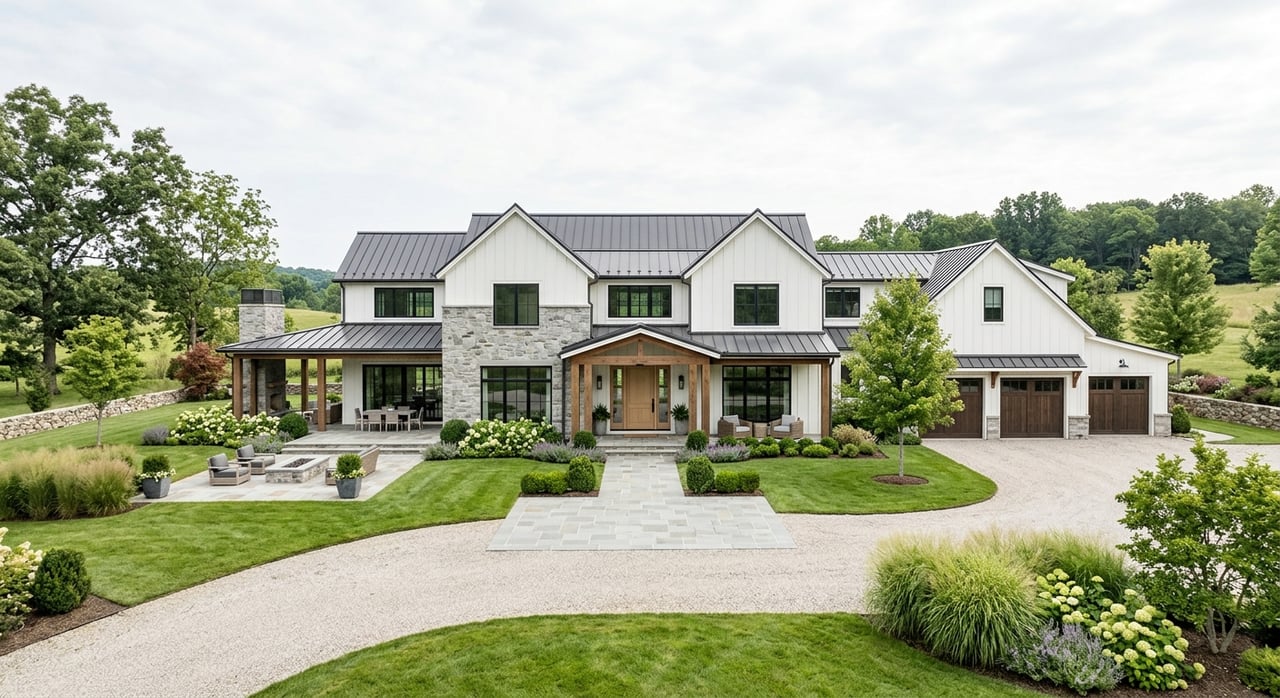
If you value history, setting, and architecture, a farmhouse may feel worth the extra effort. You may be happy trading perfect efficiency for mature surroundings, original materials, and a home that feels deeply connected to Buckingham’s landscape.
If you want more control, more consistency, and fewer early surprises, a new build may be the better fit. You may prefer the confidence that comes with newer systems, planned ventilation, and construction designed as a coordinated whole.
Neither option is better across the board. In Buckingham, the right answer usually depends on whether you are drawn more to character and stewardship or to convenience and code-built performance.
Whether you are comparing a stone farmhouse with layers of history or a newly built home with modern systems, local context matters. If you want help weighing the tradeoffs in Buckingham and across Bucks County, The Walton-Winn Team can help you look at the details that matter most to your lifestyle and long-term plans.
FAQs
What makes a historic farmhouse in Buckingham different from one in another market?
- Buckingham farmhouses are often tied to a preserved rural setting, historic village patterns, older roads, and farm-related structures that create a strong sense of place.
What should you ask before buying a historic farmhouse in Buckingham?
- You should ask whether the property is on the township’s Official List of Historic Resources, whether past work was permitted, and whether there has been a recent energy audit or moisture review.
What are the main advantages of a new build in Buckingham?
- New builds typically offer more predictable systems, better starting efficiency, and a whole-house design approach that can improve comfort and durability.
What lot issues should you review for a new build in Buckingham?
- You should review zoning district rules, minimum lot size, setbacks, impervious-surface limits, stormwater requirements, and whether public water or sewer is available.
Is a historic farmhouse always less energy efficient than a new build?
- Older homes often start with less insulation, but performance can sometimes be improved through careful maintenance, air sealing, weatherstripping, and other thoughtful upgrades.
How do you decide between charm and convenience in Buckingham?
- The choice usually comes down to whether you want the character and stewardship of an older property or the predictability and easier systems management of a newer home.