Thinking about buying a brand-new home in Hilltown? It can feel exciting to imagine untouched finishes, modern layouts, and the chance to personalize a space, but new construction also comes with timelines, approvals, and costs that can surprise buyers who expect a simple path to closing. If you are considering new construction in or around ZIP code 18927, this guide will help you understand what is typically being built in Hilltown, how the approval process works, and what to watch for in your contract and budget. Let’s dive in.
What new construction looks like in Hilltown
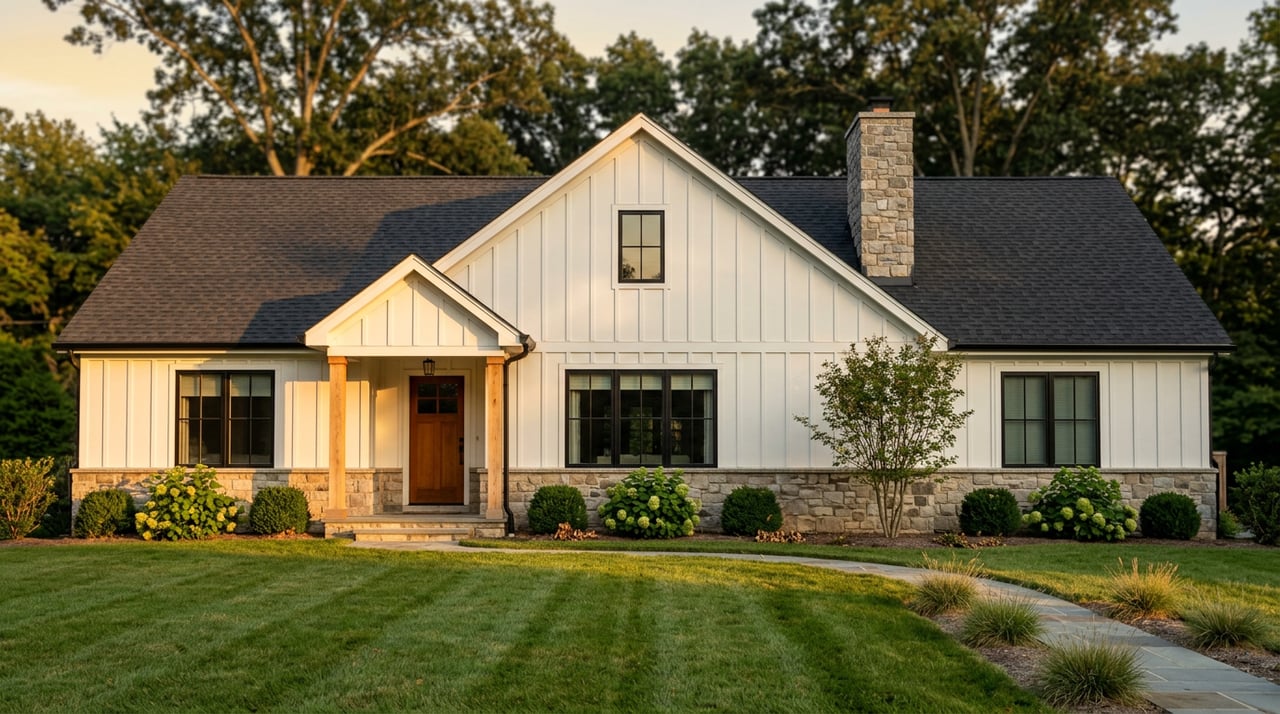
If you picture new construction as one type of neighborhood repeated over and over, Hilltown is likely to feel different. Township planning documents point toward land preservation, open space, and village-style development rather than only dense suburban tracts. According to Hilltown Township planning documents, buyers should expect a mix of detached homes, conservation-style subdivisions, and planned neighborhoods with shared open space.
That matters because your choices may vary more than you expect from one project to another. In one area, you may find detached homes on larger lots. In another, you may see a neighborhood with open space, connected streets, and a different mix of housing types.
Detached homes on larger lots
Hilltown zoning allows detached homes in rural districts with larger minimum lot sizes and wider setbacks in some areas. That can appeal to buyers who want more separation between homes and a setting that feels less compact. In some cluster-style rural development, the code also allows public water with individual on-lot sewage disposal, based on Hilltown Township code.
If you are comparing communities, lot size alone will not tell the whole story. You will also want to ask how the land is arranged, what infrastructure is included, and whether parts of the site are preserved as open space.
Conservation and cluster communities
Hilltown also permits conservation management design subdivisions in certain districts. These communities are designed with environmentally sensitive site planning, conservation easements, and resource analysis requirements for larger applications, as outlined in the township code.
For you as a buyer, that may mean a neighborhood where homes are grouped in a way that leaves more of the property preserved. The result can feel very different from a standard subdivision, even if the total number of homes is similar.
Village-style planned neighborhoods
Traditional neighborhood development standards in Hilltown require at least 20% open space, interconnected streets, and a mix of dwelling types. That can include single-family detached homes, village houses, and twin houses, according to the local ordinance standards.
This type of planning can create a more connected neighborhood layout. If you prefer a community feel with shared open areas and a more intentional street pattern, this may be the kind of project to watch.
Townhomes are part of the mix
Townhomes are also part of Hilltown’s development framework. The township defines townhouses as single-family attached units with individual outside access, and code standards include lot and parking requirements. The same township code shows that townhouse standards can vary based on bedroom count.
That means buyers looking for lower-maintenance living should not assume Hilltown is only about larger detached homes. Depending on the project, attached housing may be part of the local inventory pipeline.
What current projects tell you
Recent proposals show that Hilltown continues to see a range of housing types. The details may change before final construction, but they offer a useful snapshot of what the local market is considering.
According to reporting from the Suburban Realtors Alliance, a 24-unit townhouse sketch plan was presented off East Walnut Street in June 2024. In March 2025, preliminary plans were approved for a 17-home single-family subdivision, with additional approvals still required. The same source also reported that in February 2026, supervisors granted preliminary approval for an 84-home community off Swartley Road that would include age-restricted townhouses, single-family homes, and a clubhouse, with final approval still pending.
The big takeaway is simple: new construction in Hilltown is not one-size-fits-all. Product type, density, amenities, and timeline can vary significantly depending on the parcel, the zoning, and the stage of approval.
Expect a layered approval process
One of the biggest surprises for buyers is that a community can be talked about publicly long before construction starts. Hilltown’s Building and Zoning Department states that development must conform to the Subdivision and Land Development Ordinance, Zoning Ordinance, and Stormwater Management Ordinance, and that a zoning permit is required for new home construction.
In practice, that means a proposal may go through sketch plan review, formal development submissions, public comment, preliminary approval, and final approval before homes are built. Even after approvals are announced, the project may still need additional steps before construction begins.
Why timing often stretches out
Local examples make this clear. The townhouse proposal off East Walnut Street was presented as a sketch plan and still needed a formal development plan and public review. Other projects received preliminary approvals but still required later approvals before construction could move forward, as reported by the Suburban Realtors Alliance.
Traffic access and intersection controls can also become part of the review process. In some cases, outside agency input, including PennDOT support for roadway improvements, can affect the path forward.
Why a new community may not feel finished
Hilltown code also allows flexibility for phased developments and traditional neighborhood developments, including conceptual discussions before formal submission and standards that each phase must satisfy by completion, according to the municipal code.
For you, that means moving into a new community may not mean the entire neighborhood is complete. Roads, amenities, landscaping, or later phases may still be underway after the first homes are delivered.
What to watch in a new-construction contract
Buying a resale home and buying a home that is still being built are not the same experience. With new construction, you may be signing a contract before the home is finished, and sometimes before construction has fully started.
Freddie Mac’s new-construction guidance recommends paying close attention to the completion date, what happens if that date is missed, and the warranty coverage on the home. Those terms can shape your moving timeline and your financial planning.
Ask about deadlines and delays
Build timelines can change for many reasons, including approvals, weather, material availability, and construction sequencing. That is why your contract language matters.
Before you commit, make sure you understand:
- The estimated completion date
- Whether that date is firm or subject to change
- What happens if construction is delayed
- When you are expected to make deposits or selections
- What conditions must be met before closing
Review warranty coverage carefully
Warranty coverage is another key part of the purchase. Freddie Mac advises buyers to understand exactly what is covered and for how long. For buyers using HUD-insured financing, HUD guidance says the builder must provide a one-year warranty, as noted in Freddie Mac’s overview of buying new construction.
Even with a warranty, it is smart to know the claims process and what responsibilities fall on you after closing.
Yes, you should still get an inspection
A brand-new home is not the same as a flawless home. Freddie Mac still recommends getting a home inspection on new construction, and that is sound advice for buyers who want a clearer picture of the finished product before closing.
An inspection can help identify issues that may need correction before you take ownership. It is one more step that can help you move in with more confidence.
Why buyer representation still matters
Many buyers assume a builder sales office covers everything they need. In reality, the builder’s representative works for the builder. That is why Freddie Mac recommends choosing a buyer’s agent who is not affiliated with the builder, has new-construction experience, and knows the surrounding area.
This is especially important because builders may require your agent to accompany you on the first visit. If you are even thinking about new construction in Hilltown, it helps to have representation in place early.
A buyer’s agent can help you:
- Compare one community to another
- Understand the difference between base price and actual cost
- Review contract language and timelines
- Keep your interests separate from the builder’s sales process
- Evaluate how a new community fits your broader Bucks County goals
Budget beyond the base price
The model home can make the price look straightforward, but your true monthly cost and total cash needed may be much higher than the advertised starting number. The Consumer Financial Protection Bureau advises buyers to budget for the full monthly payment, including principal, interest, property taxes, homeowners insurance, flood insurance if applicable, mortgage insurance, and HOA fees.
That full-picture approach matters in Hilltown, where some planned developments may include covenants, easements, open-space maintenance arrangements, or community obligations under the township code. In plain terms, some communities may come with ongoing dues or responsibilities in addition to your mortgage.
Upgrades can change your budget fast
Builders may be reluctant to reduce the base price and may instead offer upgrades, appliances, flooring, or closing-cost assistance, according to Freddie Mac. That can sound appealing, but it can also make it easy to stretch your budget without realizing it.
Common add-ons that can raise your total cost include:
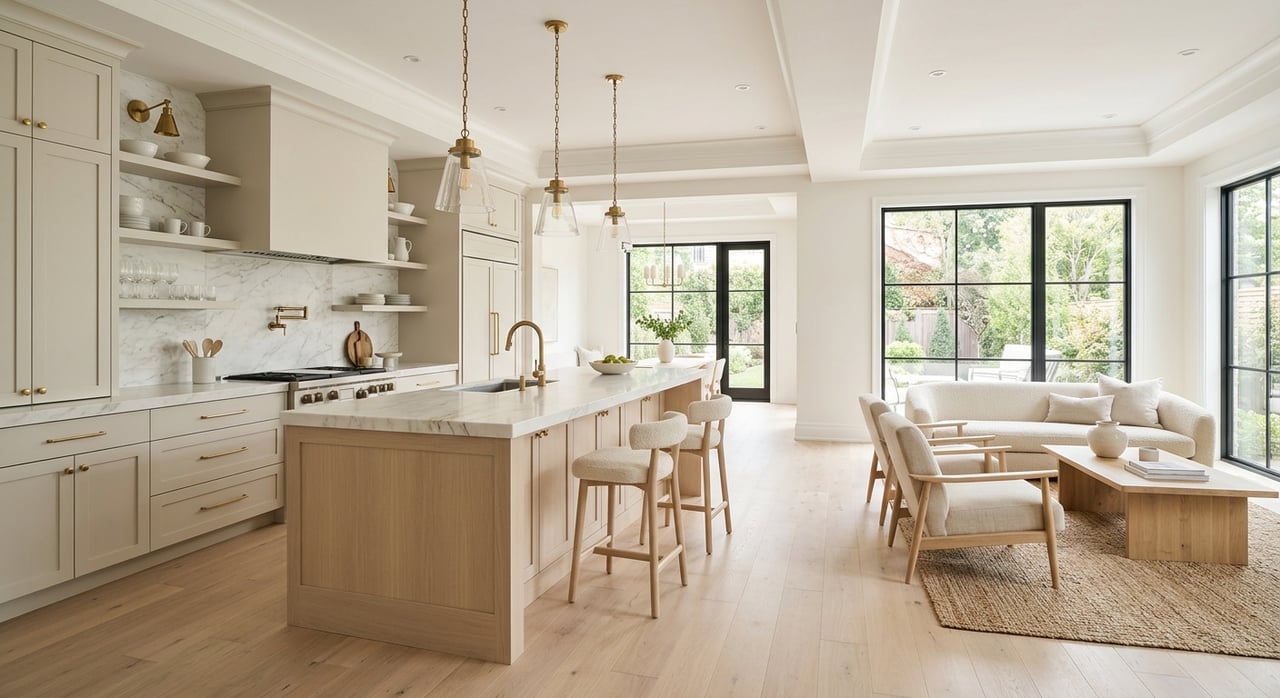
- Cabinet and countertop upgrades
- Flooring upgrades
- Appliance packages
- Lighting and electrical additions
- Lot premiums
- Expanded outdoor features
Plan for financing timing
Builders may encourage buyers to use a preferred lender, and in some early phases that may be your only option, according to Freddie Mac’s new-construction guidance. It is important to understand the loan terms, incentive structure, and timing for any interest-rate lock.
On a long build, interest rates can move before closing. Freddie Mac notes that a rate lock can help protect your payment from rising during construction. That makes financing strategy part of the buying conversation, not just a final step.
A practical checklist for Hilltown buyers
If you are serious about new construction in Hilltown, keep this short checklist handy:
- Confirm the project’s approval stage
- Ask whether construction is phased
- Review estimated completion timing carefully
- Understand warranty coverage in writing
- Schedule an independent home inspection
- Budget for upgrades and closing costs
- Ask about HOA dues or shared maintenance obligations
- Review financing options and rate-lock timing
- Bring your buyer’s agent on the first visit when possible
New construction can be a great fit if you want modern systems, lower early maintenance, and a home that reflects your preferences. The key is going in with a clear understanding of how Hilltown communities are planned, approved, priced, and delivered.
If you want guidance comparing new construction options in Hilltown and the surrounding Bucks County market, reach out to The Walton-Winn Team. You will get local perspective, thoughtful guidance, and a steady hand as you weigh your next move.
FAQs
What types of new construction homes are common in Hilltown?
- Buyers in Hilltown may encounter detached homes on larger lots, conservation or cluster subdivisions, village-style planned neighborhoods, and some townhouse communities, based on township planning documents and code.
How long does new construction approval take in Hilltown?
- New construction in Hilltown often moves through multiple stages such as sketch plans, formal submissions, public review, preliminary approval, and final approval, so timelines can extend well beyond the first public announcement.
Should you get an inspection on a new construction home in Hilltown?
- Yes. Freddie Mac recommends a home inspection even for brand-new construction so you can identify issues before closing.
Do new construction communities in Hilltown have HOA fees?
- Some may. Hilltown’s development rules allow for covenants, easements, open-space maintenance arrangements, and other shared obligations that can lead to HOA dues or similar ongoing costs.
Why use a buyer’s agent for new construction in Hilltown?
- A buyer’s agent can help you compare communities, review contract terms, understand upgrade costs, and represent your interests separately from the builder’s sales team.