If you have ever visited Washington Crossing and wondered what it would be like to call it home, the short answer is this: it feels more like a preserved river community than a typical suburban address. For many buyers, that mix of history, open space, and everyday convenience is exactly the draw. If you are trying to decide whether this Bucks County area fits your lifestyle, here is a practical look at what living in Washington Crossing is really like. Let’s dive in.
Washington Crossing has a distinct identity
Washington Crossing is best understood as the village and community area within Upper Makefield Township on the Bucks County side of the Delaware River. It is not a separate municipality, which is why many of the most useful stats and public details are tracked at the township level.
What makes the area stand out is how strongly its identity is tied to preservation. Upper Makefield describes itself as a river community with nearly 40% of its land permanently preserved, and local planning standards in Washington Crossing are intended to protect its historic, patriotic, and rural character.
That preservation shows up in daily life. Instead of a heavily built-up feel, you get a smaller-scale setting shaped by open land, historic surroundings, and a community pattern that has changed more slowly than many nearby areas.
History is part of everyday life here
In Washington Crossing, history is not just something you read on a plaque. It is part of the landscape around you, from historic structures to the broader setting near the Delaware River.
Washington Crossing Historic Park plays a major role in that experience. The Pennsylvania Department of Conservation and Natural Resources identifies the park as the site of George Washington’s Delaware crossing and a National Historic Landmark, which gives the area a sense of place that is hard to replicate.
For residents, that means the park is more than a weekend destination. It becomes part of the rhythm of everyday living, whether you are taking a walk nearby, enjoying the river scenery, or simply appreciating a community where historic preservation still shapes the environment.
Outdoor access is a major lifestyle perk
If you want a place where getting outside feels easy, Washington Crossing has a lot to offer. The historic park includes walking paths, picnic pavilions, fishing, non-motorized boat launching, educational programs, and seasonal events.
The park is also home to Bowman’s Hill Tower, a 125-foot landmark that adds to the area’s visual character. According to DCNR, parts of the park are free and open from sunrise to sunset, which makes it easy to work outdoor time into your routine.
Beyond the main park, Upper Makefield also maintains Brownsburg Park and Lookout Park. Together with the Delaware Canal and nearby nature-focused destinations, these spaces give residents a range of options for walking, biking, recreation, and time outdoors.
The Delaware Canal towpath adds daily convenience
One of the biggest lifestyle advantages in Washington Crossing is access to the Delaware Canal State Park towpath. DCNR says the towpath stretches 60 miles from Easton to Bristol, with a five-mile section connecting the upper and lower portions of Washington Crossing Historic Park.
That is important because it is not just scenic. It supports everyday activity for walkers, joggers, bicyclists, bird watchers, and even cross-country skiers in season.
If you value a neighborhood where you can step into a more active routine without a long drive, this kind of trail access can be a real benefit. It helps explain why Washington Crossing appeals to buyers who want outdoor living woven into normal daily life.
The area feels village-oriented
Washington Crossing tends to feel more village-centered than highly commercialized. Nearby amenity hubs like Newtown, Yardley, and Washington Crossing itself are known for small-town main streets with shops, taverns, restaurants, and historic sites.
That pattern matters when you think about lifestyle fit. If you are looking for a community with a quieter, more local feel rather than a major retail corridor, Washington Crossing may align well with what you want.
For many buyers, this creates a nice balance. You can enjoy a more peaceful residential setting while still having dining, shopping, and day-to-day conveniences nearby.
Homes in Washington Crossing are established and varied
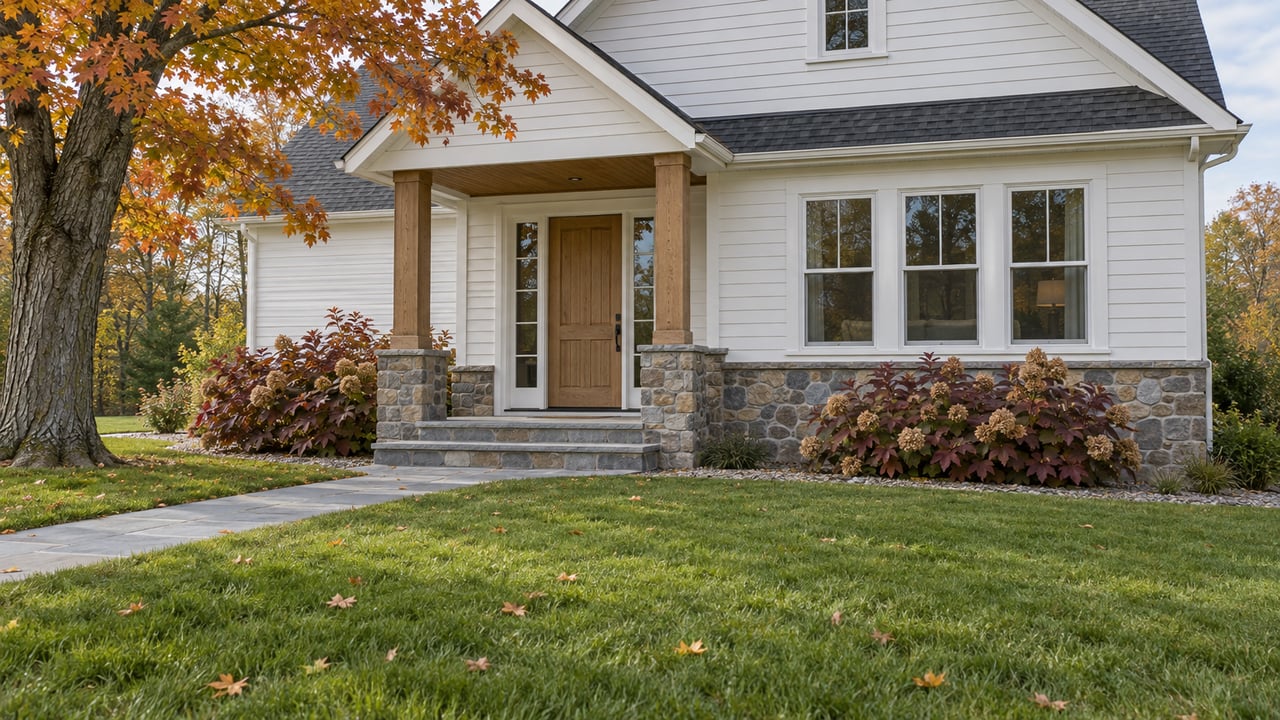
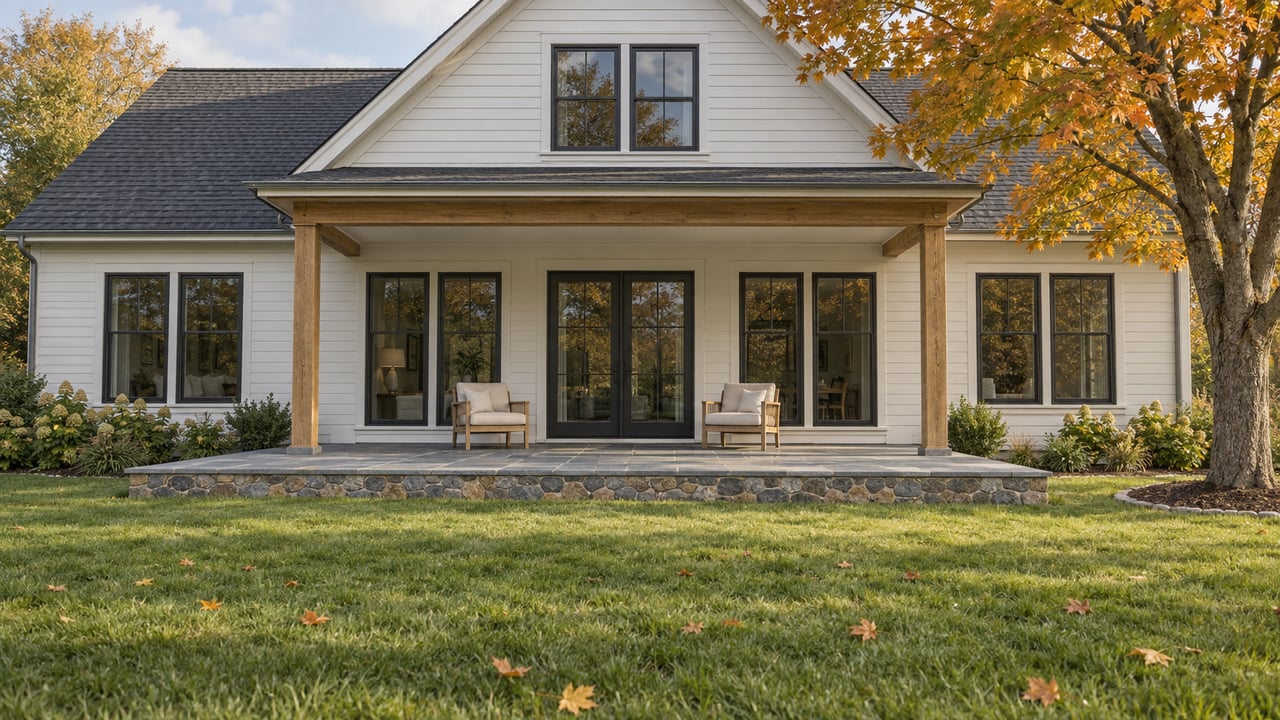
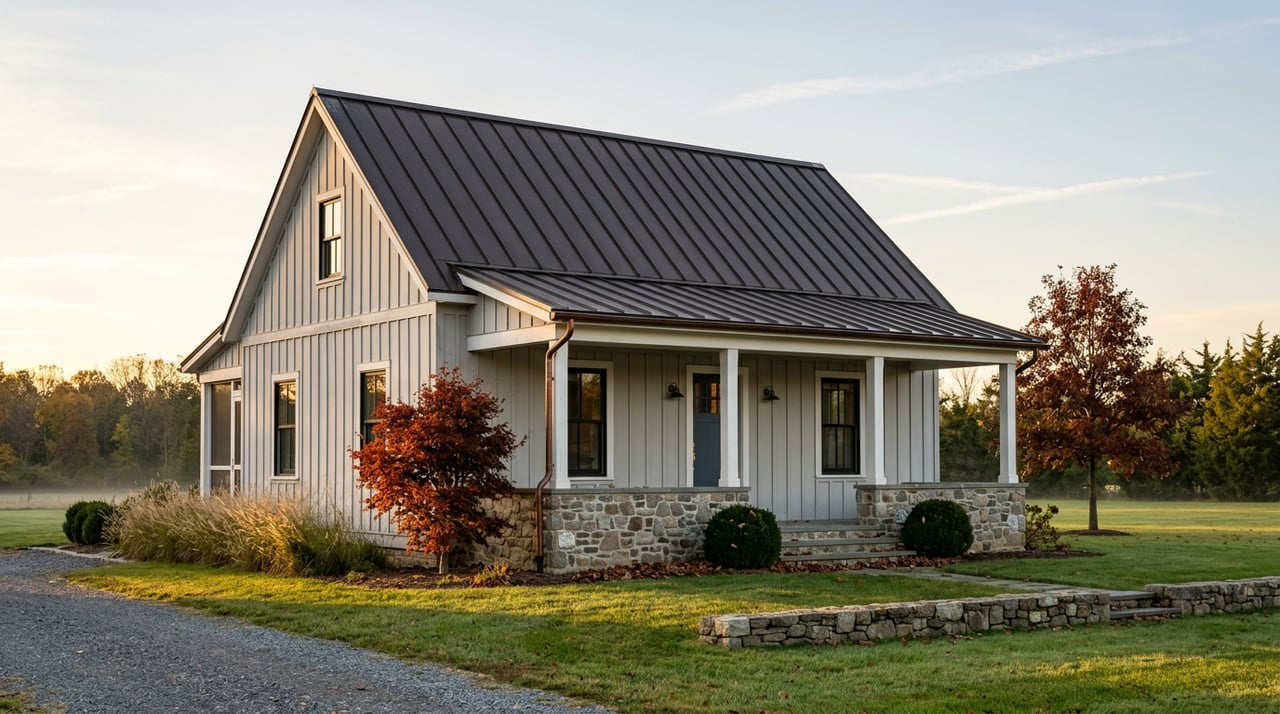
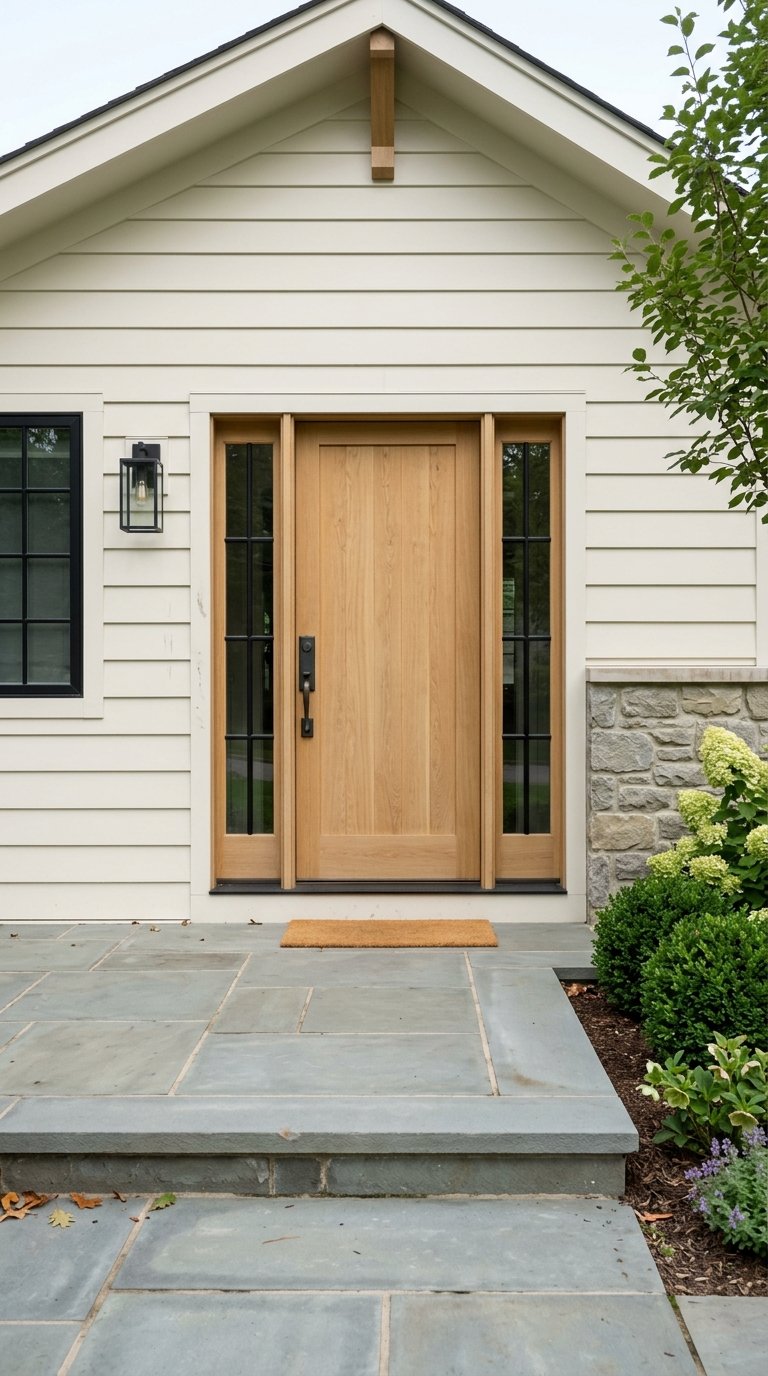
The housing stock in and around Washington Crossing reflects the area’s long history. Upper Makefield notes that homes from the 18th and 19th centuries mix with more recent styles throughout the township.
That gives the area a more established feel than neighborhoods built in a single wave of development. You may see a wider range of architecture, lot configurations, and property features depending on where you look.
Because growth has slowed with preservation and near build-out, Washington Crossing does not have the feel of a fast-expanding new construction market. For buyers, that often means the existing home inventory and the specific details of each property matter a lot.
Utility setup can vary by property
One of the most practical things to know before buying in Washington Crossing is that utility patterns can differ from home to home. Upper Makefield says public water and sewer serve only a small number of developments, while many other properties rely on private on-lot septic systems.
That does not make one home better than another, but it does mean you should verify the setup for any property you are considering. Two homes in the same general area may have different utility arrangements and maintenance responsibilities.
This is one of those details where local guidance can make a big difference. Understanding these property-specific factors early can help you compare homes more confidently.
Washington Crossing is largely owner-occupied
Township-level data helps paint a picture of the local housing market. According to U.S. Census QuickFacts for Upper Makefield Township, the owner-occupied housing rate is 95.3%.
That high ownership rate supports the sense that this is a settled residential community. It is the kind of place where many owners stay for the long term, which often contributes to a more established neighborhood feel.
The same Census profile reports a median value of owner-occupied housing units of $876,200 and a median household income of $212,768 for 2020 through 2024. For buyers, that gives useful context about the market position of the area within Bucks County.
Day-to-day life often includes commuting
Washington Crossing is also shaped by its role as a residential base for people who work in several parts of the region. Upper Makefield describes itself as a modern-day bedroom community attracting residents who work in New Jersey, New York, and Pennsylvania.
That aligns with Census data showing a mean travel time to work of 27.4 minutes. For many households, the appeal is being able to come home to a quieter, more scenic setting while still maintaining access to regional job centers.
If you are balancing lifestyle goals with commute needs, this is an important part of the picture. Washington Crossing can offer a more tucked-away feel without feeling disconnected from the broader region.
School district context for buyers
For buyers looking at school district boundaries, Washington Crossing is within the Council Rock School District. According to the district, it serves five municipalities, including Upper Makefield Township, and operates 10 elementary schools, 2 middle schools, and 2 high schools for more than 10,000 students.
That is a useful framework if school assignment is one of your search criteria. As with any home search, it is wise to confirm school attendance details directly during your buying process, since property-level assignment questions can matter.
Who tends to love living here?
Washington Crossing often appeals to buyers who want more than just a house. It tends to be a strong fit if you are drawn to a setting where local history, preserved land, and outdoor access shape daily life.
You may especially appreciate the area if you want:
- A village-like atmosphere
- Easy access to trails and river scenery
- Established homes with character
- A quieter residential setting near regional commuting routes
- A community shaped by preservation rather than rapid development
In other words, Washington Crossing is often less about constant activity and more about a grounded sense of place.
What to keep in mind before you buy
Every community has tradeoffs, and Washington Crossing is no exception. The very features that make it special, like preservation, established housing, and a rural-residential feel, also mean home-to-home differences can be significant.
As you search, pay close attention to:
- Property-specific utility and septic details
- The age and condition of the home
- How close you want to be to trails, parks, and village amenities
- Your commute patterns and regional travel needs
- The type of setting that feels right for your day-to-day routine
A thoughtful home search here is usually about matching the property to your lifestyle, not just comparing square footage or price alone.
Washington Crossing offers a rare blend of scenic beauty, local history, and established residential character. If you are looking for a Bucks County community where open space and sense of place still matter, it is easy to see why so many buyers are drawn to it.
If you are thinking about buying or selling in Washington Crossing or anywhere nearby in Bucks County, The Walton-Winn Team can help you understand the local market with clear, neighborhood-level guidance.
FAQs
What is Washington Crossing, PA known for as a place to live?
- Washington Crossing is known for its connection to Revolutionary War history, its location along the Delaware River, and its preservation-focused, village-like residential setting within Upper Makefield Township.
What are outdoor activities like in Washington Crossing?
- Residents have access to Washington Crossing Historic Park, the Delaware Canal towpath, walking paths, fishing, non-motorized boat launching, picnic areas, and additional township parks such as Brownsburg Park and Lookout Park.
What types of homes are in Washington Crossing?
- The area includes a mix of older homes and more recent styles, with housing shaped by established development patterns rather than large-scale new construction.
What should homebuyers know about utilities in Washington Crossing?
- Utility setup can vary by property because only some developments have public water and sewer service, while many homes rely on private on-lot septic systems that require owner maintenance.
What school district serves Washington Crossing?
- Washington Crossing is located in the Council Rock School District, which serves Upper Makefield Township along with several other municipalities in the area.
Is Washington Crossing a good fit for commuters?
- Washington Crossing can appeal to commuters who want a quieter residential setting with access to regional job centers in Pennsylvania, New Jersey, and beyond.